A newer base model
Nano Banana 2 is Gemini 3.1 Flash Image. 2.1 is built on Gemini 3.6 Flash, with a 131K-token input window for long prompts and reference sets.
Model · Google Nano Banana 2.1 · released October 6, 2026
Google released Nano Banana 2.1 on October 6, 2026 as an update to Nano Banana 2 and the new everyday model of the family. Its quality scores went up, and at 1K and 2K Google charges about half of what Nano Banana 2 costs. On BananaBanana it starts at $0.03 per image, pay as you go, no subscription.
Nano Banana 2.1 is Google's image generation model released on October 6, 2026, straight to general availability, with the API id gemini-nano-banana-2.1. Google describes it as an update to Nano Banana 2 and "the primary high-efficiency workhorse model" of the family: the faster, cheaper counterpart to Nano Banana Pro. According to the model card it's built on Gemini 3.6 Flash, takes up to 131,072 input tokens and returns up to 32,768. It renders at 1K, 2K and 4K and accepts up to 14 reference images.
Four Nano Banana models are live on BananaBanana. Here they are side by side, with the model ids from Google's documentation.
| Name | API model | Resolutions | Status at Google | On BananaBanana |
|---|---|---|---|---|
| Nano Banana 2 Lite | gemini-3.1-flash-lite-image | 1K | Available | from $0.03 |
| Nano Banana 2 | gemini-3.1-flash-image | 512px to 4K | Deprecated, no shutdown date | from $0.03 |
| Nano Banana 2.1 | gemini-nano-banana-2.1 | 1K, 2K, 4K | New, GA since October 6 | from $0.03 |
| Nano Banana Pro | gemini-3-pro-image | 1K, 2K, 4K | Available | from $0.11 |
Yes. In September a "Nano Banana 2.5 Flash" label turned up in Google's app code, and this page followed the model under that name. On September 27 the same label in Google Flow's code was renamed to "Nano Banana 2.1", and that's the name it shipped under on October 6. Google hasn't announced a separate 2.5. The numbering adds to the confusion: the original Nano Banana from 2025 is Gemini 2.5 Flash Image, so plenty of pages about "Nano Banana 2.5" are really about that older model.
Everything below comes from Google's model card, documentation and changelog. I left out anything I couldn't trace back to them.
Nano Banana 2 is Gemini 3.1 Flash Image. 2.1 is built on Gemini 3.6 Flash, with a 131K-token input window for long prompts and reference sets.
An overall preference Elo of 1050 on Google's model card, against 990 for Nano Banana 2. Google names visual quality and prompt adherence among the gains.
Google's infographic factuality score nearly tripled: 0.521, against 0.179 for Nano Banana 2. That's what counts for charts, diagrams and labelled explainers.
Keep up to 4 characters and up to 10 objects consistent in one image. Multi-turn character consistency is on Google's list of improvements too.
Fifteen ratios, from a tall 1:8 strip to an 8:1 banner. Google's changelog notes 2.1 fixed the tiling artifacts wide and panoramic frames used to get at 2K and 4K, and on BananaBanana these five panoramic formats are available on 2.1 only.
Minimal, medium (the default) and high: how much the model reasons about layout and instructions before it draws.
Google lists text rendering among the improvements. The poster test below shows it on a real prompt with a date, a venue and a price.
In Google's API the model can look things up in Google Search, image search included, so real landmarks and products come out closer to the real thing.
Output at 1K, 2K or 4K. The 512px draft tier that Nano Banana 2 has is gone, so the cheapest 2.1 image is a 1K one.
One thing Google didn't add: fine-grained randomness controls. Seed, temperature, topP and topK aren't supported on 2.1, and the API returns an error if you send them. More on what that means for consistent series in section 04.
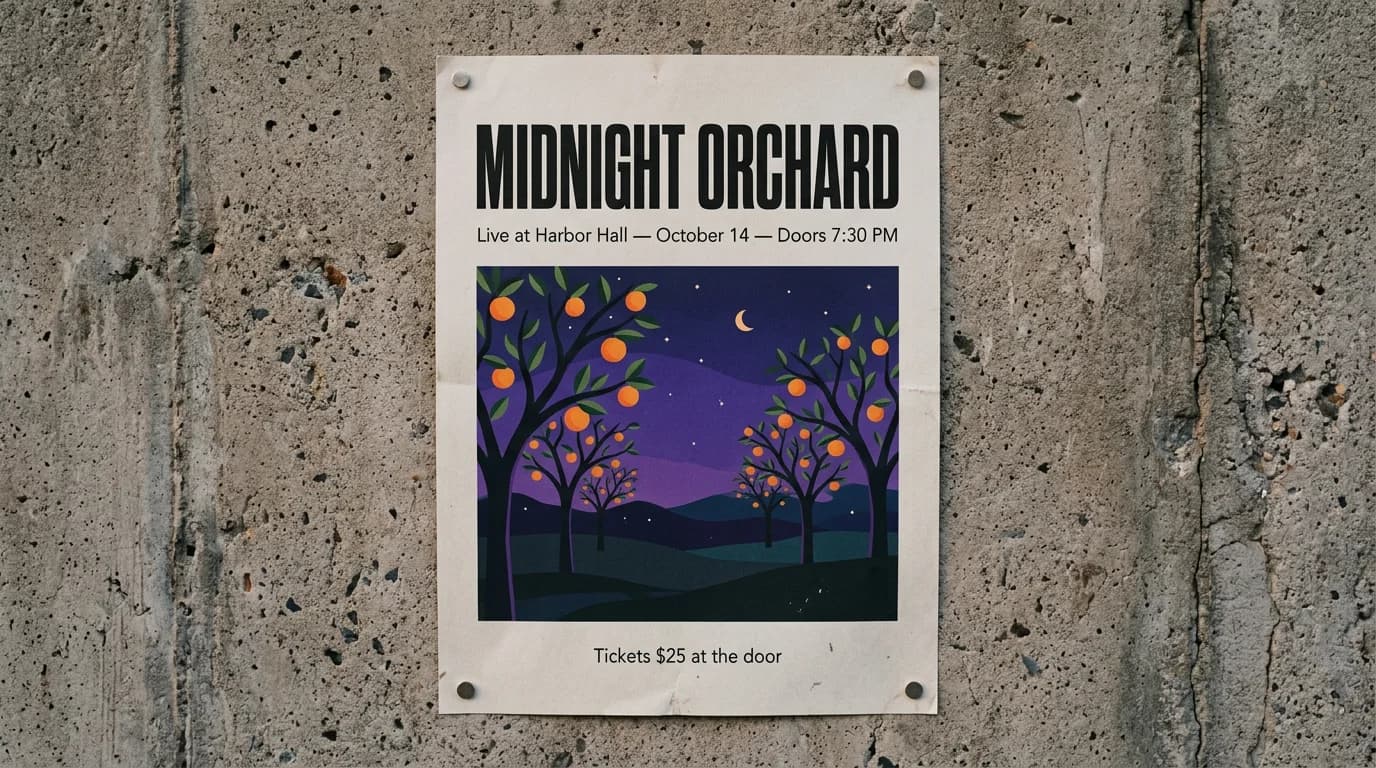
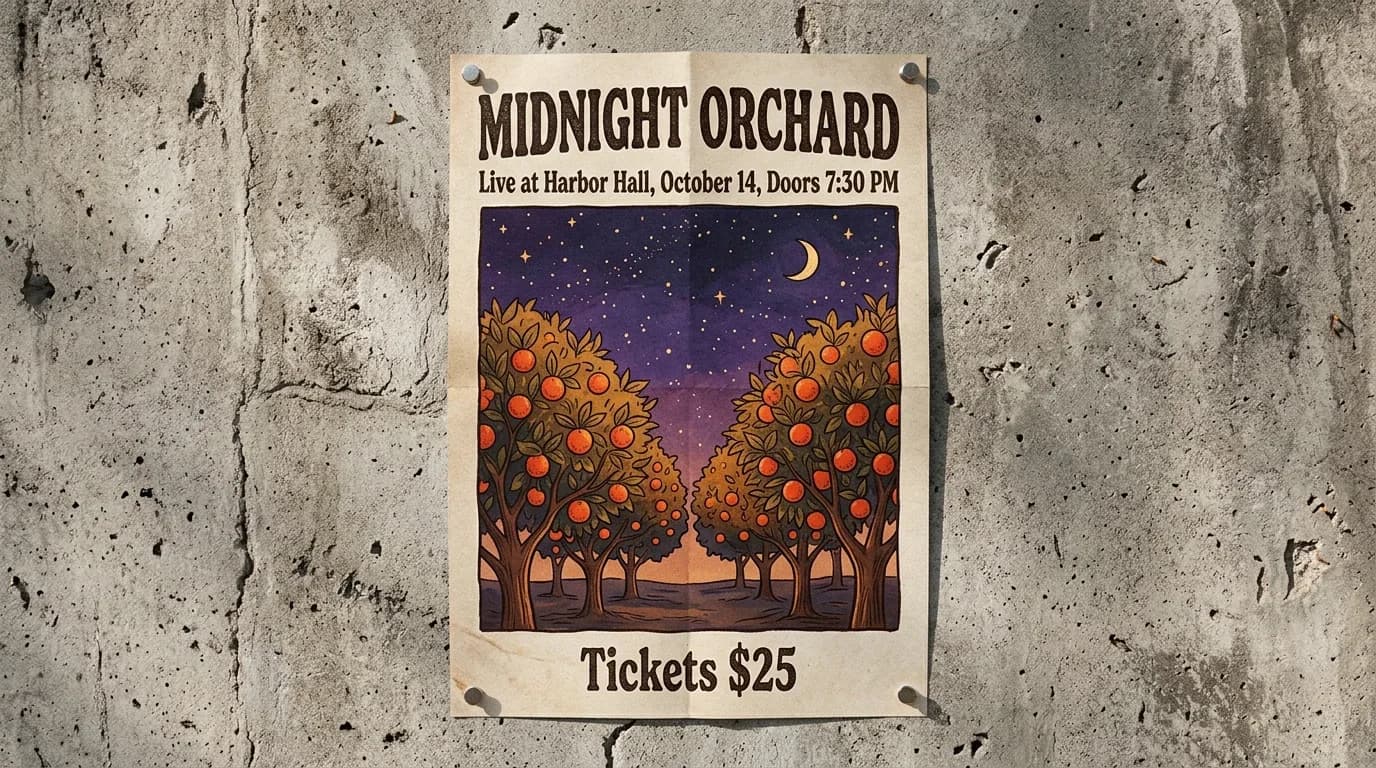
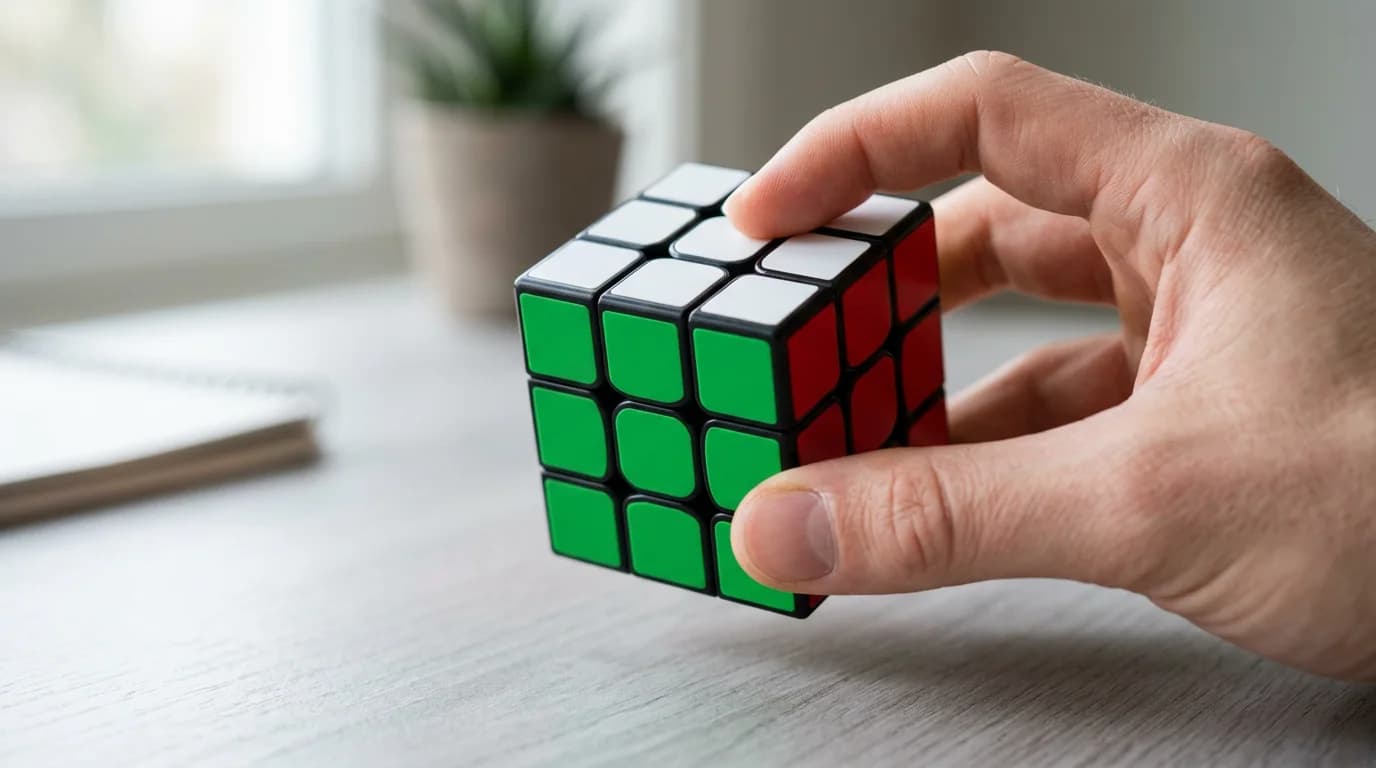
In September, before 2.1 had its name, we ran two prompts through Nano Banana 2 to have a baseline ready: a text-heavy concert poster and a solved Rubik's cube to check spatial logic. Below are the same prompts on Nano Banana 2.1. All four images are unedited first attempts at 1K: $0.06 each on Nano Banana 2 and $0.03 each on Nano Banana 2.1.
The prompt asked for the headline "MIDNIGHT ORCHARD", the line "Live at Harbor Hall, October 14, Doors 7:30 PM" and a price line at the bottom.
Nano Banana 2
Nano Banana 2.1
The prompt asked for a solved cube with a white top face, a green front face and a red right face.
Nano Banana 2
Nano Banana 2.1
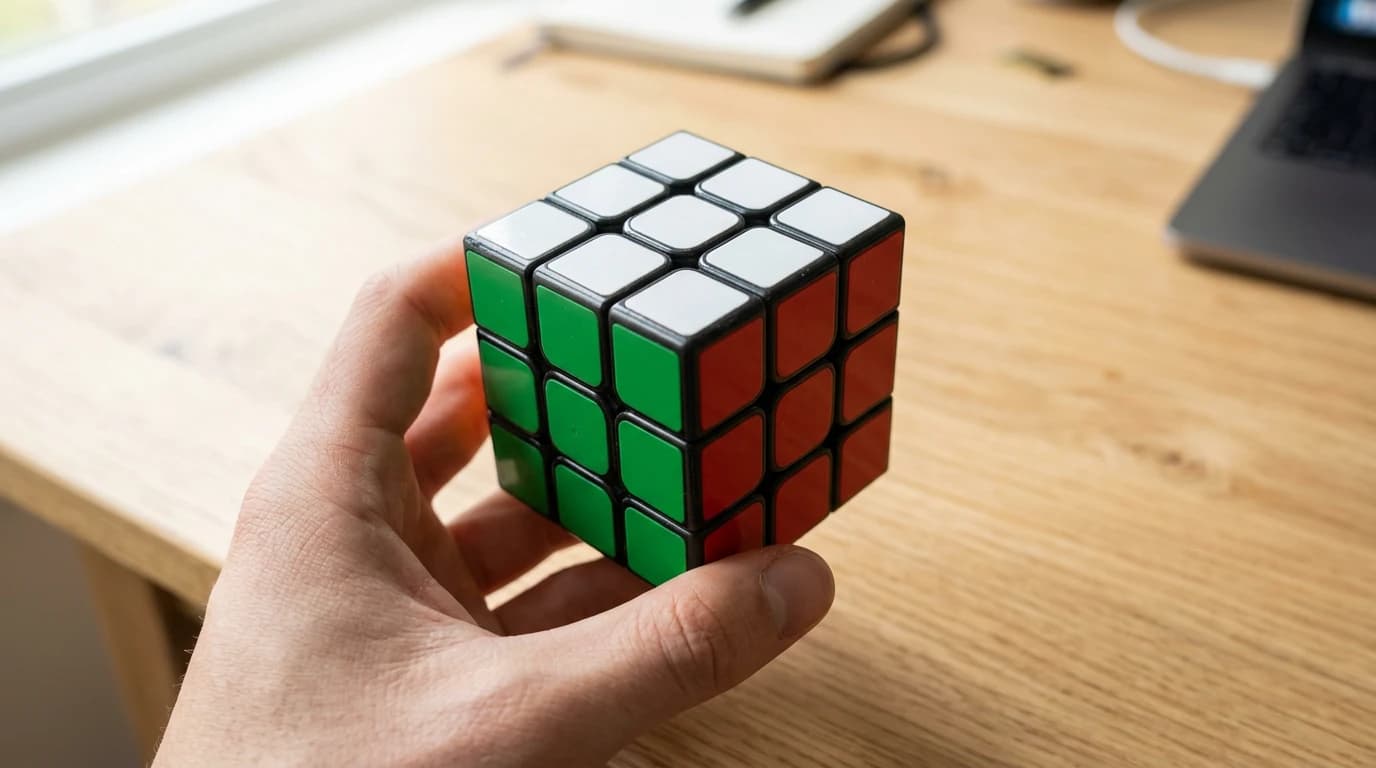
Two prompts aren't a benchmark: Google's Elo and factuality numbers come from far larger evaluation sets. The pairs are here so you can judge the difference on the kind of image you make. Run your own prompt on both models before moving a pipeline over; at 1K the test costs $0.06 plus $0.03.
Nano Banana 2.1 renders 15 formats: the familiar 1:1, 16:9, 21:9 and the rest, plus the panoramic 1:4, 4:1, 1:8, 8:1 and 9:21. Google's changelog says 2.1 fixed the tiling artifacts that wide frames could get at 2K and 4K, so on BananaBanana these five formats open with 2.1 and stay off for the other image models.


4:1 and 21:9 fill a full-width header without cropping a 16:9 image and losing the subject.
8:1 matches leaderboard ads, shop-front banners and stage backdrops in one render.
1:4, 1:8 and 9:21 suit long infographics, step-by-step guides and vertical story panels.
21:9 and 4:1 work for cinematic cover art, profile banners and newsletter headers.
Two things 2.1 doesn't do. There's no 512px tier: the cheapest draft is 1K at $0.03, while Nano Banana 2 still renders 512px for $0.03. And seed isn't supported, so you can't pin a composition with a number. To keep a series consistent, pass an earlier image back as a reference or edit it in a follow-up turn.
Per image, pay as you go, with no subscription and no monthly minimum: $0.03 at 1K, $0.05 at 2K and $0.10 at 4K. Here's the whole family in one table.
| Model | 512px | 1K | 2K | 4K |
|---|---|---|---|---|
| Nano Banana 2 Lite1K only | — | $0.03 | — | — |
| Nano Banana 2512px drafts, seed | $0.03 | $0.06 | $0.09 | $0.13 |
| Nano Banana 2.1new, panoramic formats | — | $0.03 | $0.05 | $0.10 |
| Nano Banana Prodense text, hero images | — | $0.11 | $0.11 | $0.20 |
Prices are per image. A dash means the model doesn't offer that size. Crypto top-ups of $50 add 5% to your balance and $100 adds 10%; an active promo code adds another 10% on top of the same deposit.
Google lists Nano Banana 2.1 at $30 per million output tokens, and each image is billed as a fixed number of tokens: 1,120 at 1K, 1,680 at 2K and 3,780 at 4K. That's about $0.034, $0.05 and $0.113 per image, roughly half of Nano Banana 2's $0.067 and $0.101 at 1K and 2K (4K went from $0.151 to $0.113). Google's Batch mode takes another 50% off for jobs that can wait.
| Where | 1K | 2K | 4K |
|---|---|---|---|
| Google Gemini APIlist price, standard mode | $0.034 | $0.05 | $0.113 |
| BananaBananano subscription | $0.03 | $0.05 | $0.10 |
Google list prices from the Gemini API pricing page, paid tier, checked October 7, 2026.
So on BananaBanana you pay at or below Google's list price at every size, with no API key, billing account or cloud project to set up, and the same balance covers every other model here. Where Google still wins is Batch: if you render thousands of images through the API and can wait for them, its half-price queue is hard to beat.
Not on BananaBanana: both models stay in the picker. On Google's side, Nano Banana 2 (gemini-3.1-flash-image) is marked deprecated in the Gemini API, but no shutdown date has been announced, and Google Cloud's documentation gives its retirement as "May 28, 2027 or later".
And for the image everyone will see, with dense typography or a campaign hero shot, Nano Banana Pro at $0.11 is still the top of the family. Google itself positions 2.1 as Pro's more efficient counterpart, not its replacement.
Open the generator, choose Nano Banana 2.1 in the model list, pick a size and a format, and write the prompt. Reference images go in the same panel.
Connect Claude, ChatGPT, Cursor or another MCP client and call generate_image with model "nano-banana-2-1". Same balance, same price per image.
Agents without an account can pay for each image in USDC over x402, at the same price as in the studio.
Agent setup is on the MCP page, and the pay-per-call flow is in its x402 section. Prompts written for Nano Banana 2 carry over as they are; for a structure that works across the family, see the Nano Banana prompt guide.
Prompt structure that works across the whole family, 2.1 included.
Read the guideThe same prompts through the Google side of the catalogue, with costs and failure cases.
Read the guideWhere the cheapest model in the family is enough, and where it isn't.
Read the guideYes. Google released it on October 6, 2026 as a generally available model with the API id gemini-nano-banana-2.1. On BananaBanana it's in the studio, over MCP and over x402, from $0.03 per image.
It's the same model. In September a "Nano Banana 2.5 Flash" label turned up in Google's app code and the name spread. On September 27 the label in Google Flow's code was changed to "Nano Banana 2.1", and the model launched under that name on October 6. Google hasn't announced a separate Nano Banana 2.5.
No. Gemini 2.5 Flash Image is the original Nano Banana from August 2025. Nano Banana 2.1 is the October 2026 update to Nano Banana 2 (Gemini 3.1 Flash Image) and is built on Gemini 3.6 Flash.
On BananaBanana, $0.03 at 1K, $0.05 at 2K and $0.10 at 4K per image, with no subscription. Google's own API list price works out to about $0.034, $0.05 and $0.113 per image.
Not on BananaBanana, where both models stay available. Google marks Nano Banana 2 as deprecated in the Gemini API but hasn't announced a shutdown date; its Cloud documentation gives retirement as May 28, 2027 or later.
Google positions 2.1 as the efficient everyday model and Pro as the high end. Use 2.1 for volume work, 2K and 4K finals on a budget and wide formats; use Pro, from $0.11, when dense typography or a flagship image has to come out right.
No. Google's API rejects seed, temperature, topP and topK for this model. For a consistent series, reuse an earlier image as a reference or edit it in a follow-up turn. If a fixed seed is essential to your workflow, Nano Banana 2 still supports it.
New accounts start with $0.20 on the balance. Nano Banana 2.1 from $0.03 per image, no subscription.