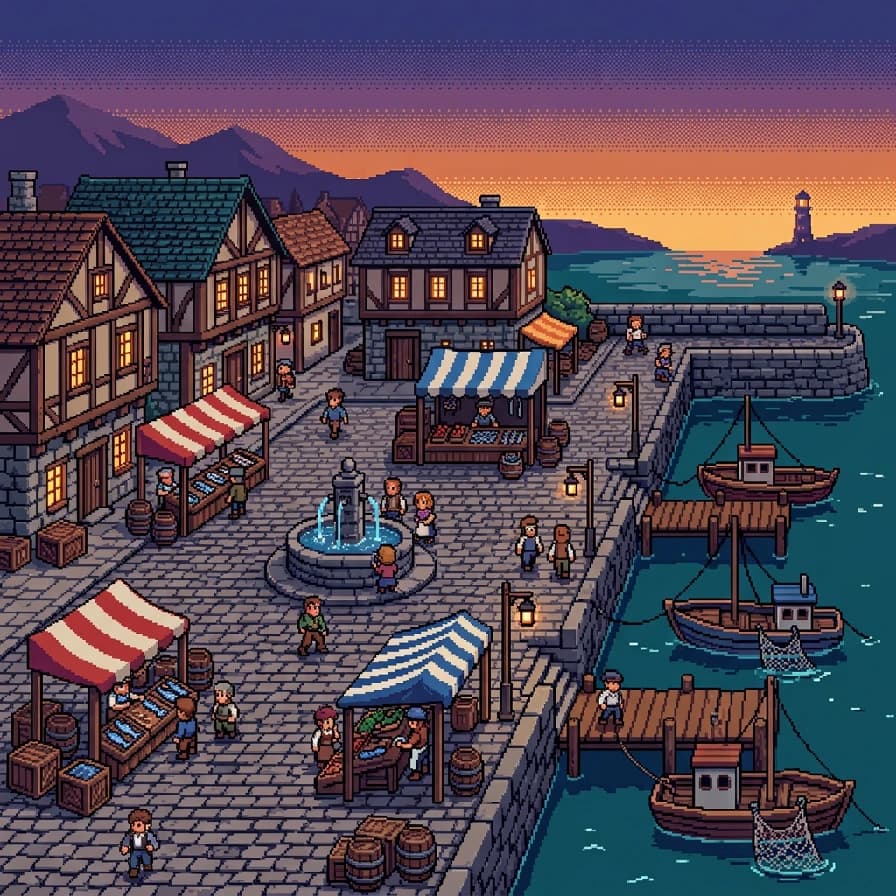
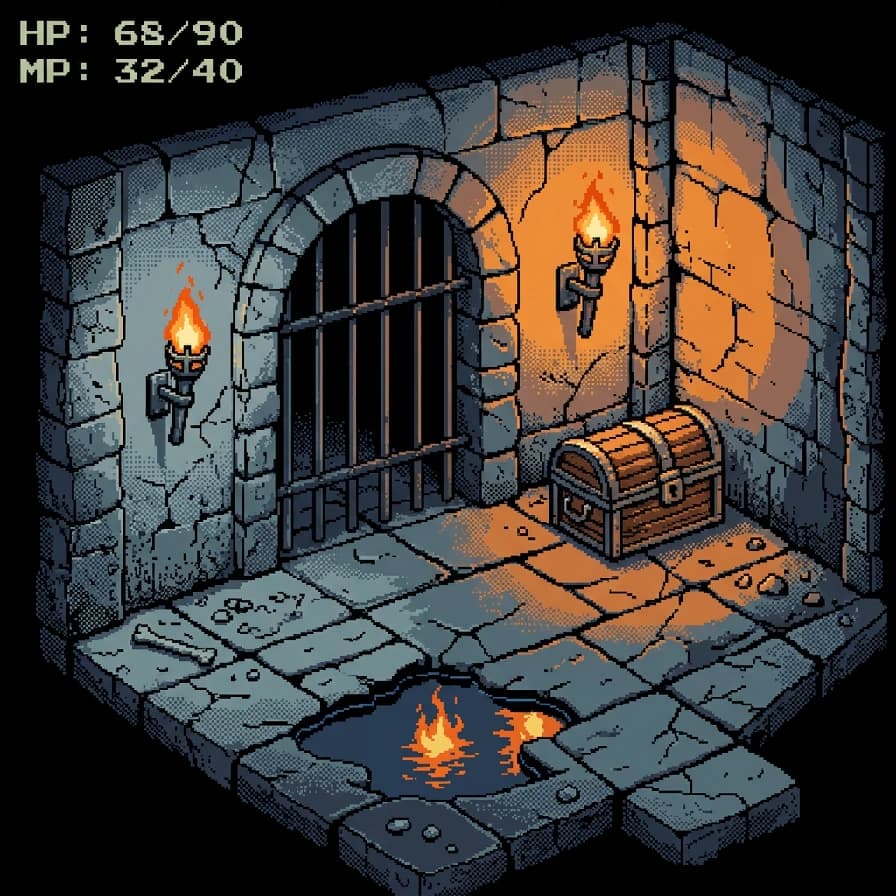
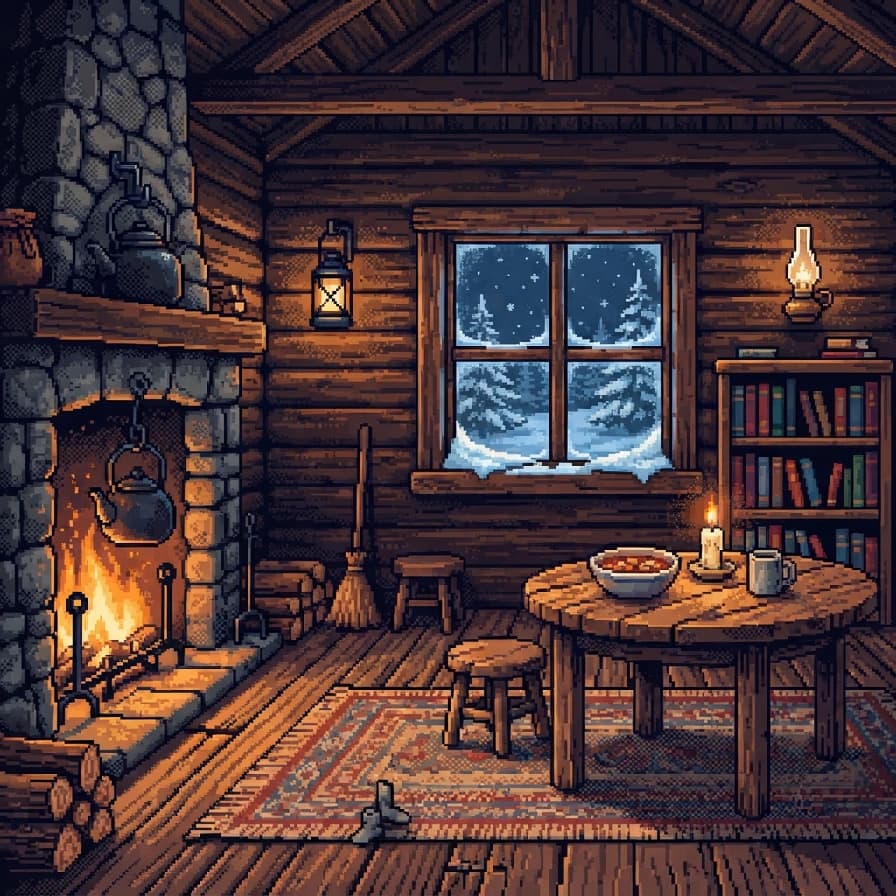
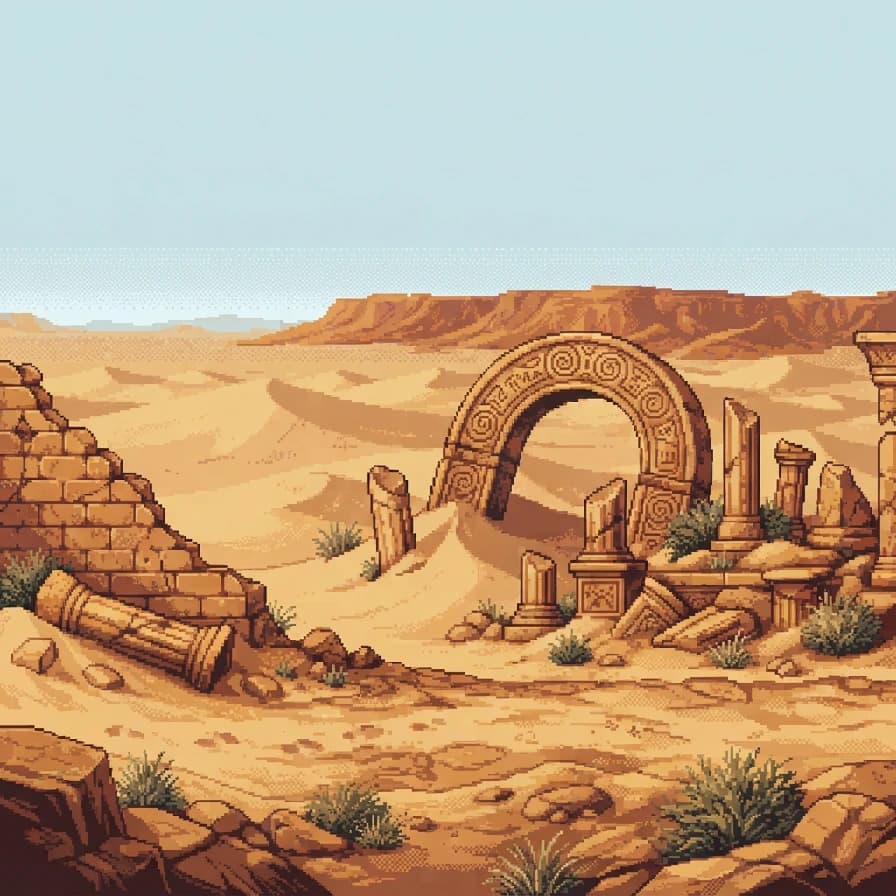
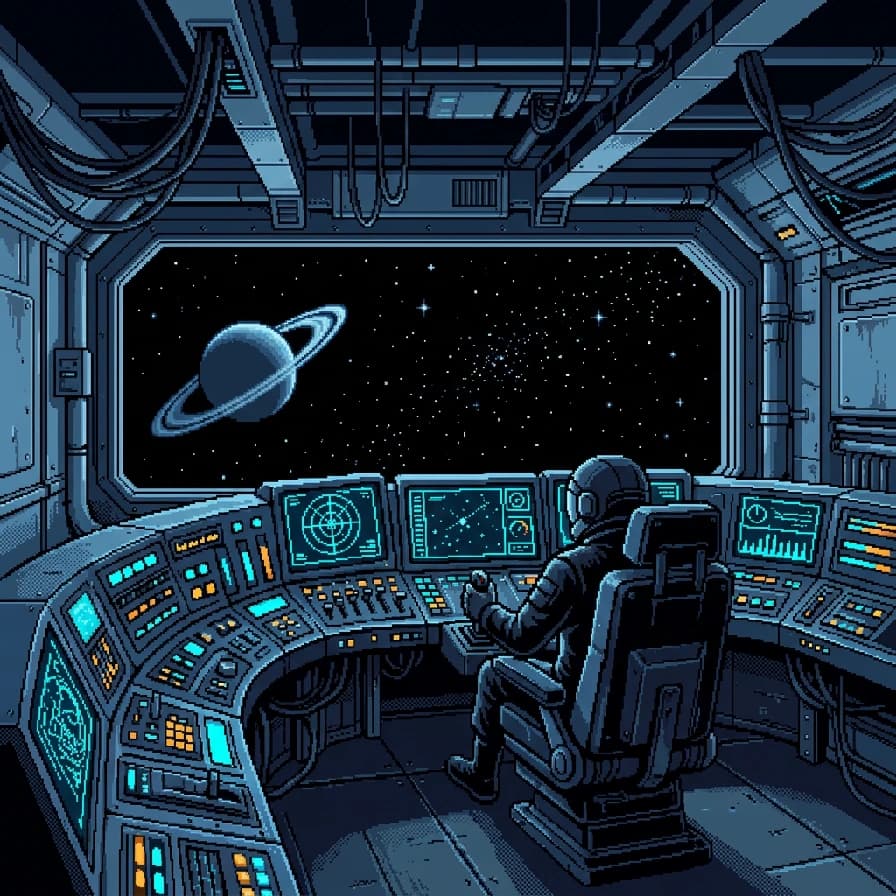
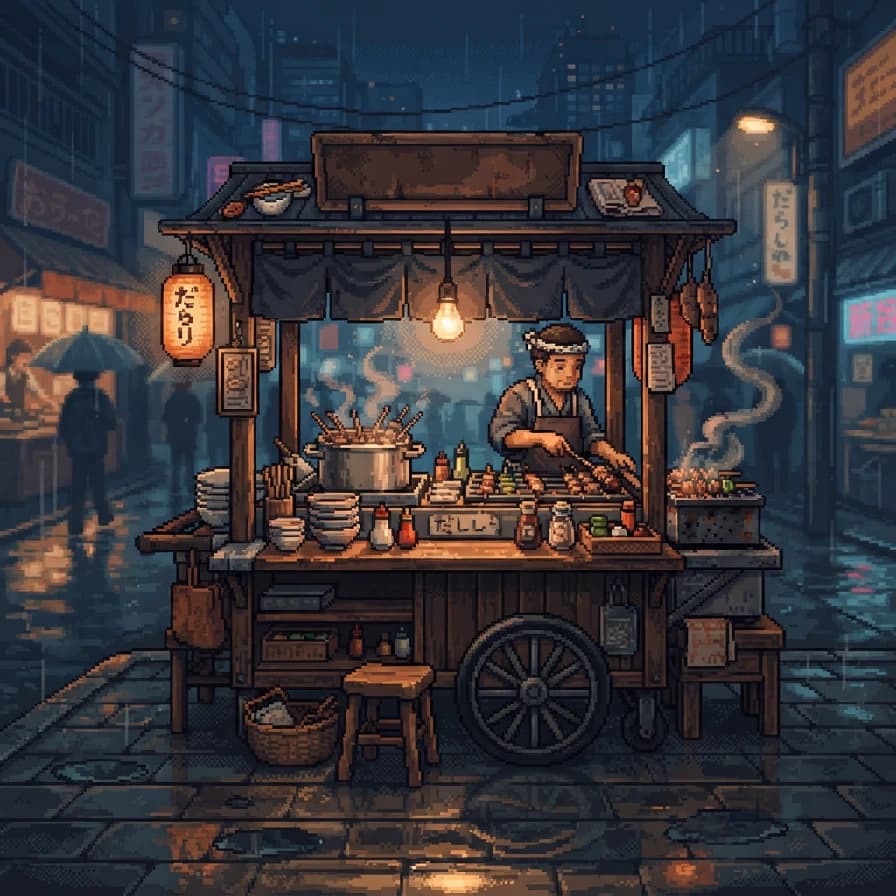
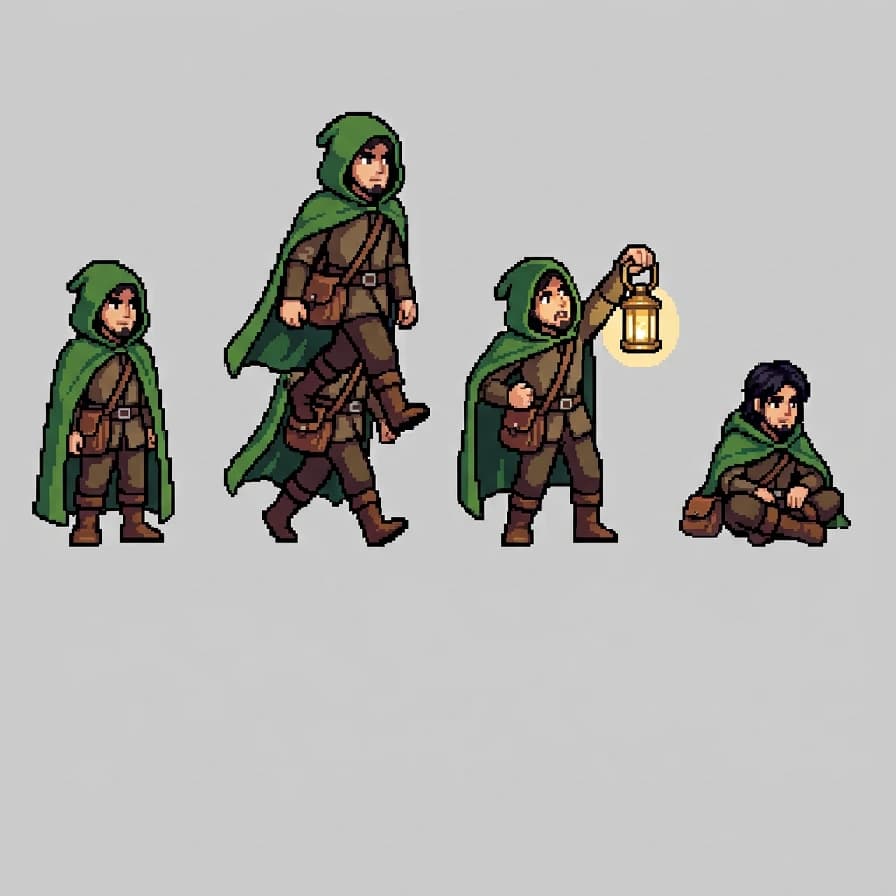
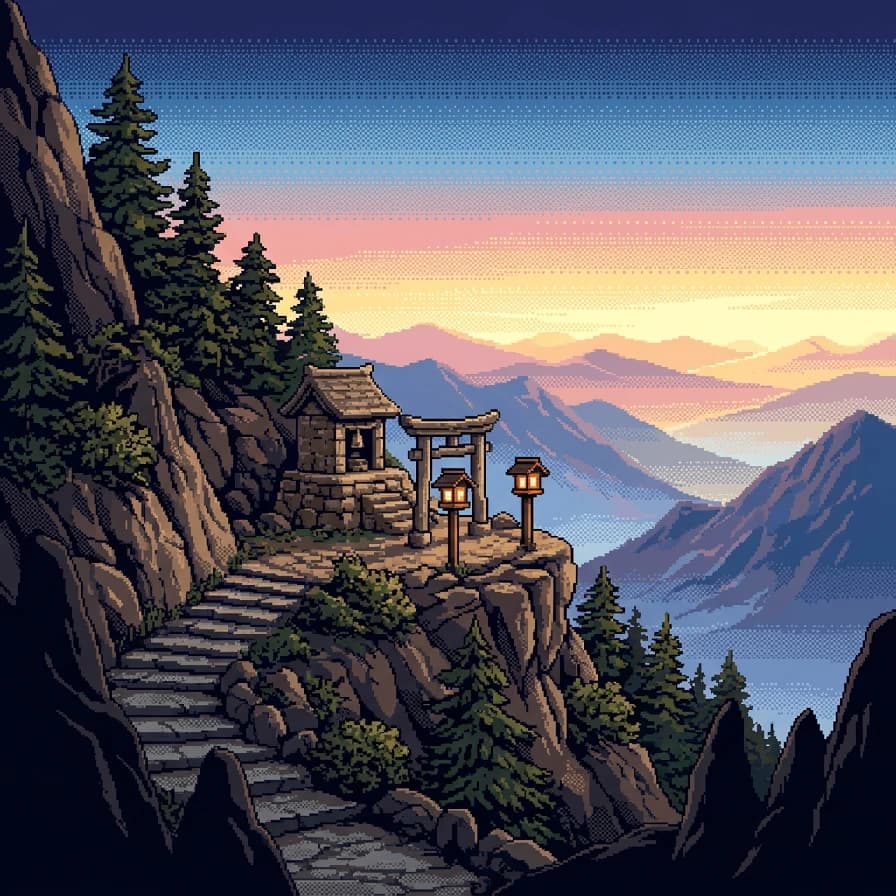
Pixel art has one prompt ingredient that nothing else needs: the era. “16-bit SNES-era pixel art” and “8-bit NES-era pixel art with a four-colour palette” produce completely different images, because the era carries resolution, colour count and shading conventions with it. Add the palette size — “limited 32-colour palette” — and the shading style — “dithered shading”, “flat cel shading with a single highlight” — and you have the three settings that matter. Then describe the scene as usual: “a small harbour town square at dusk, cobblestones, market awnings, a fountain, warm lamplight in the windows”.
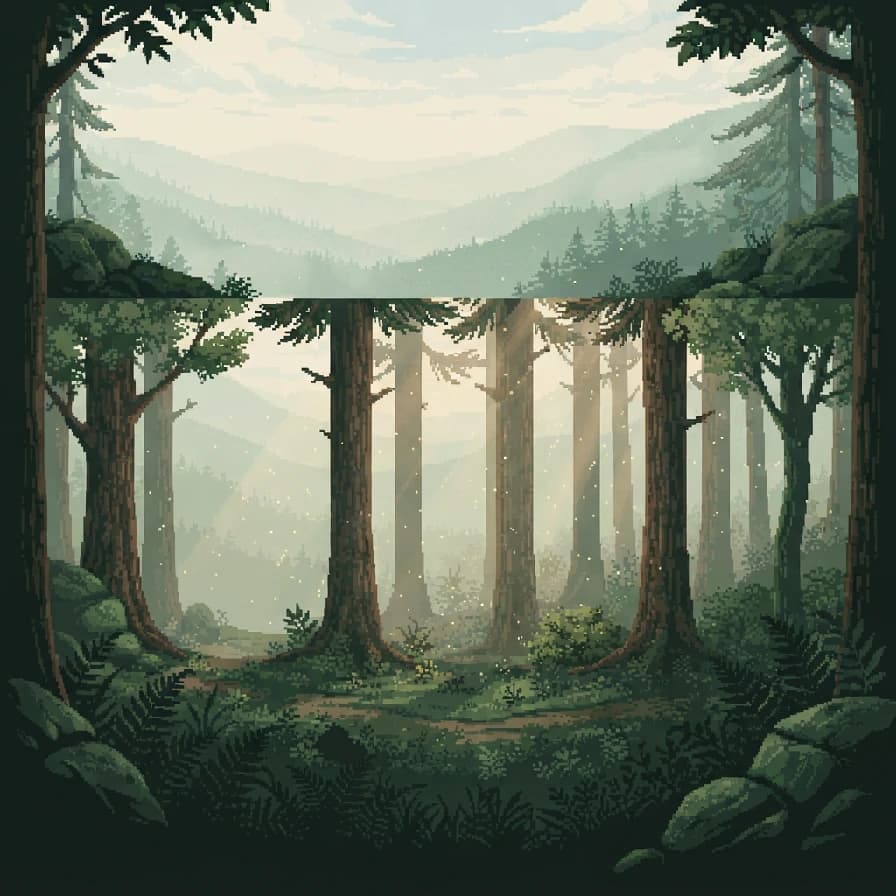
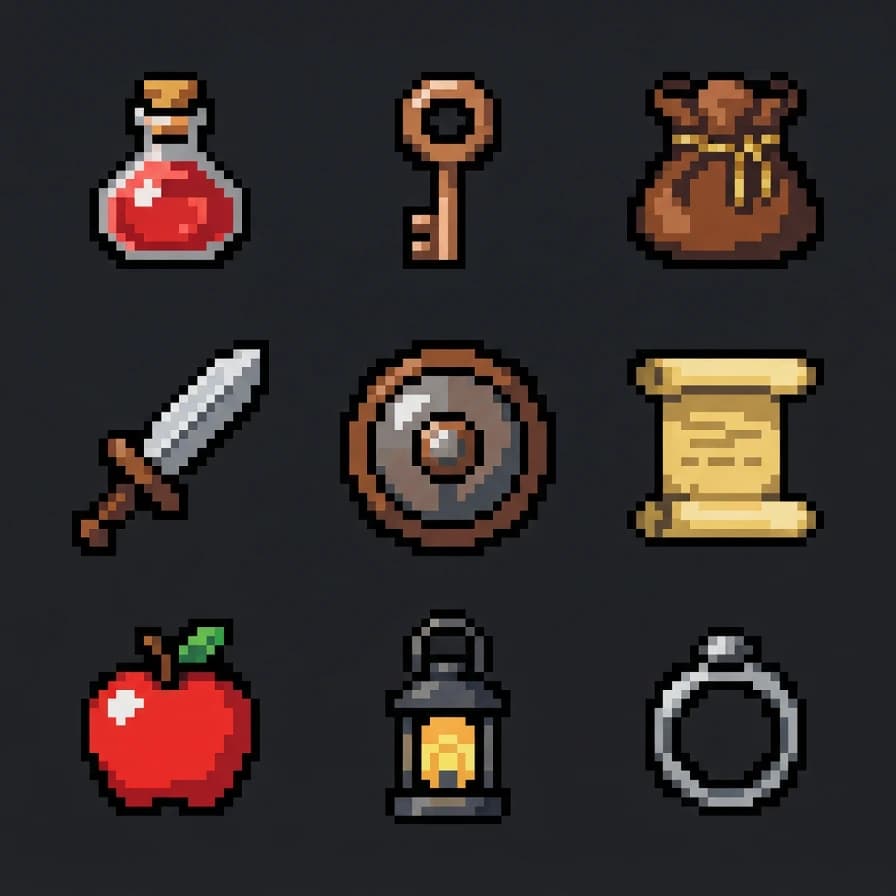
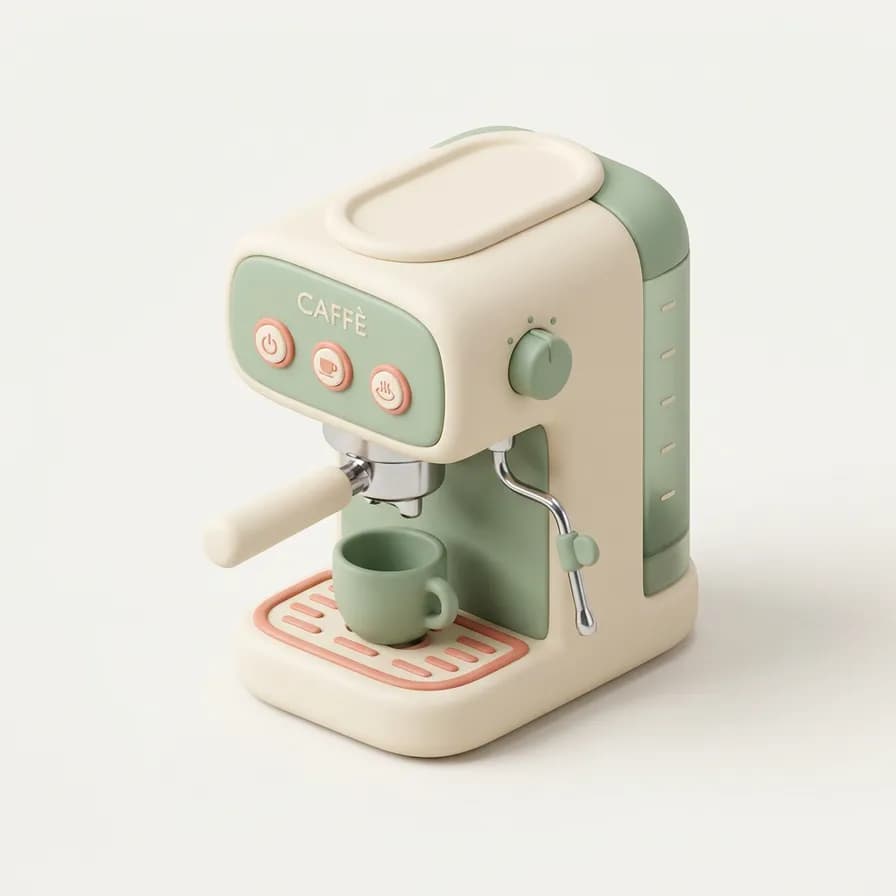
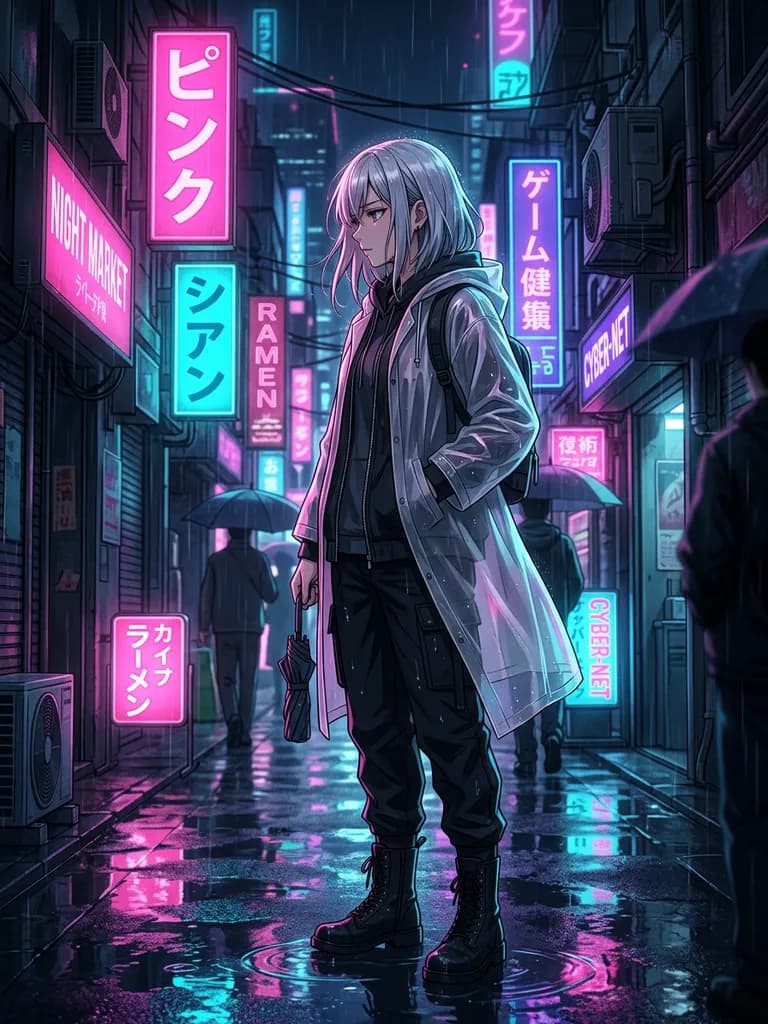
Be honest about what these models do and don't do. Nano Banana renders convincing pixel-art *illustration* — the look, the palette, the mood — but it does not snap to a true pixel grid, so if you zoom in, blocks are not perfectly uniform and stray anti-aliased pixels appear along edges. For mood boards, key art, store banners and style exploration that is invisible and completely usable. For sprites that go into an engine, treat the output as a reference and redraw or downsample it in Aseprite. All ten images below are unedited first outputs generated on BananaBanana, mostly on Lite at $0.03.