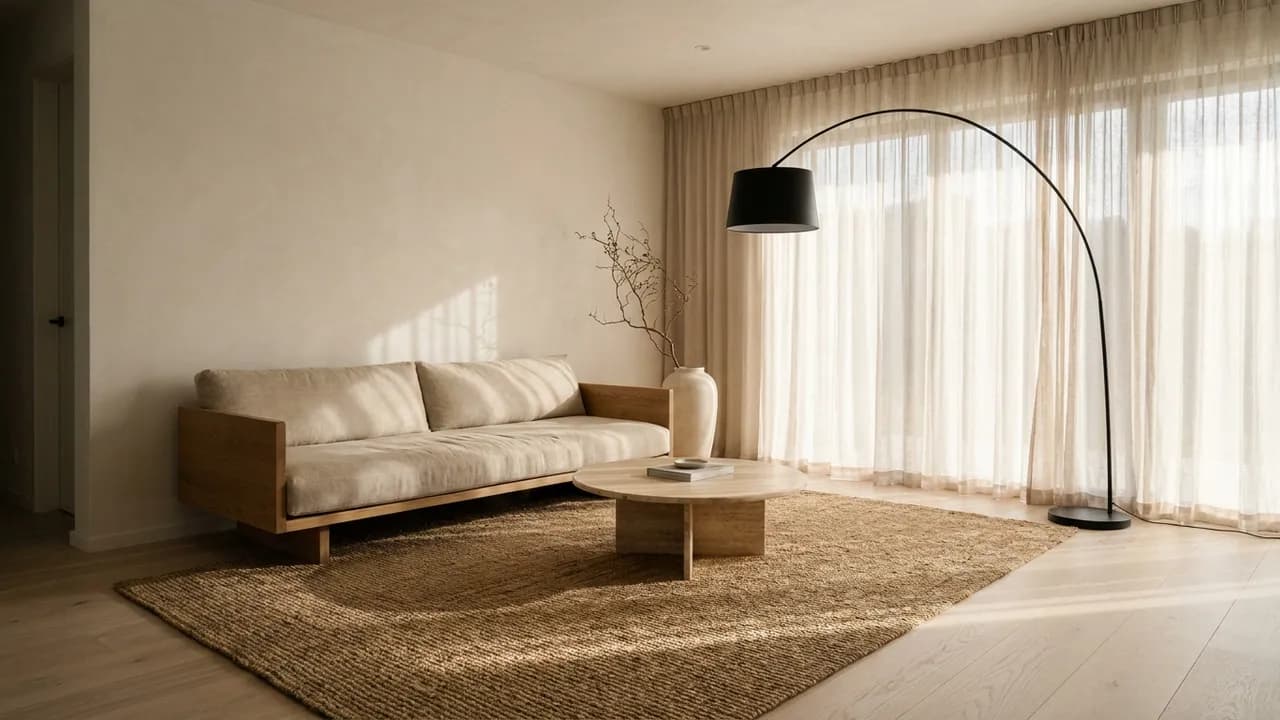
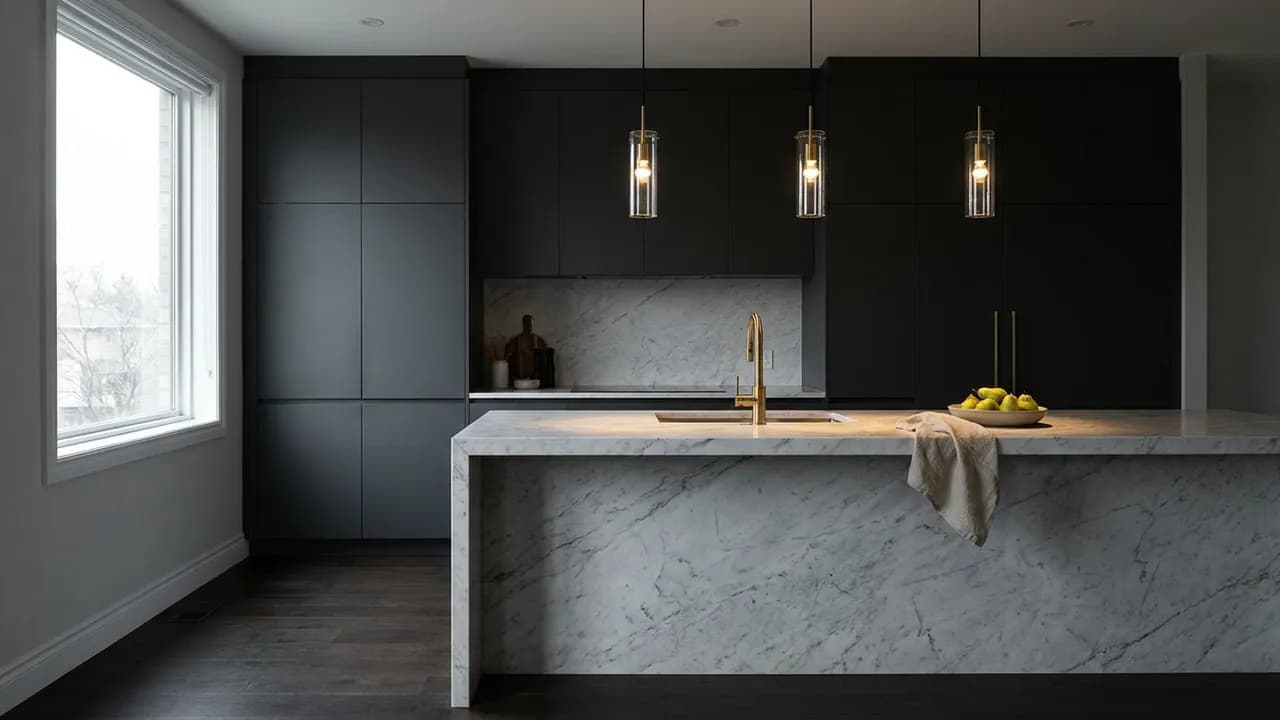
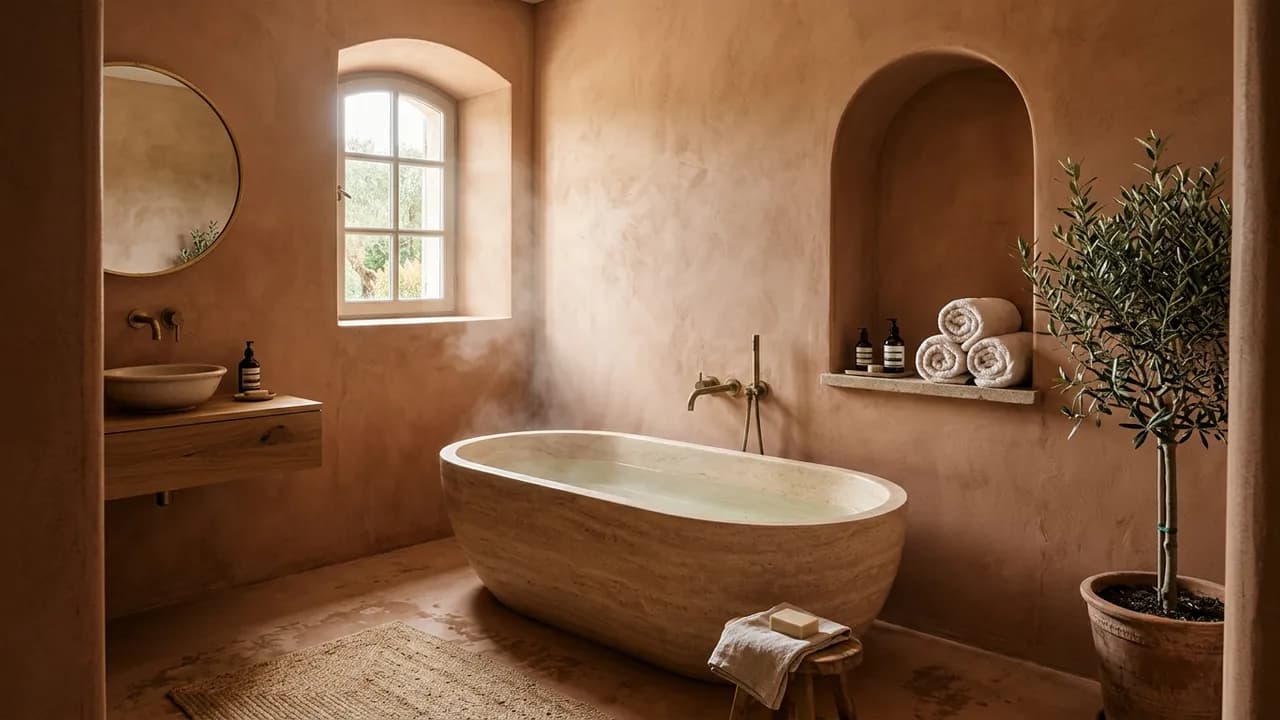
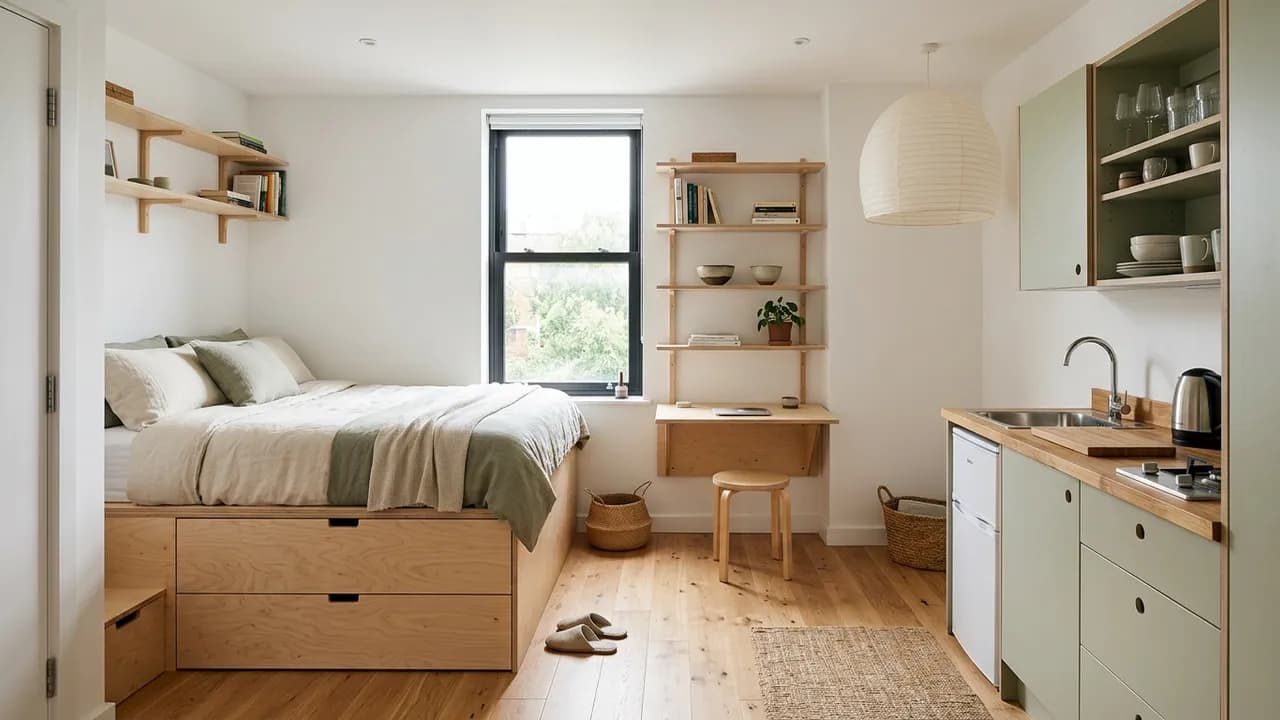
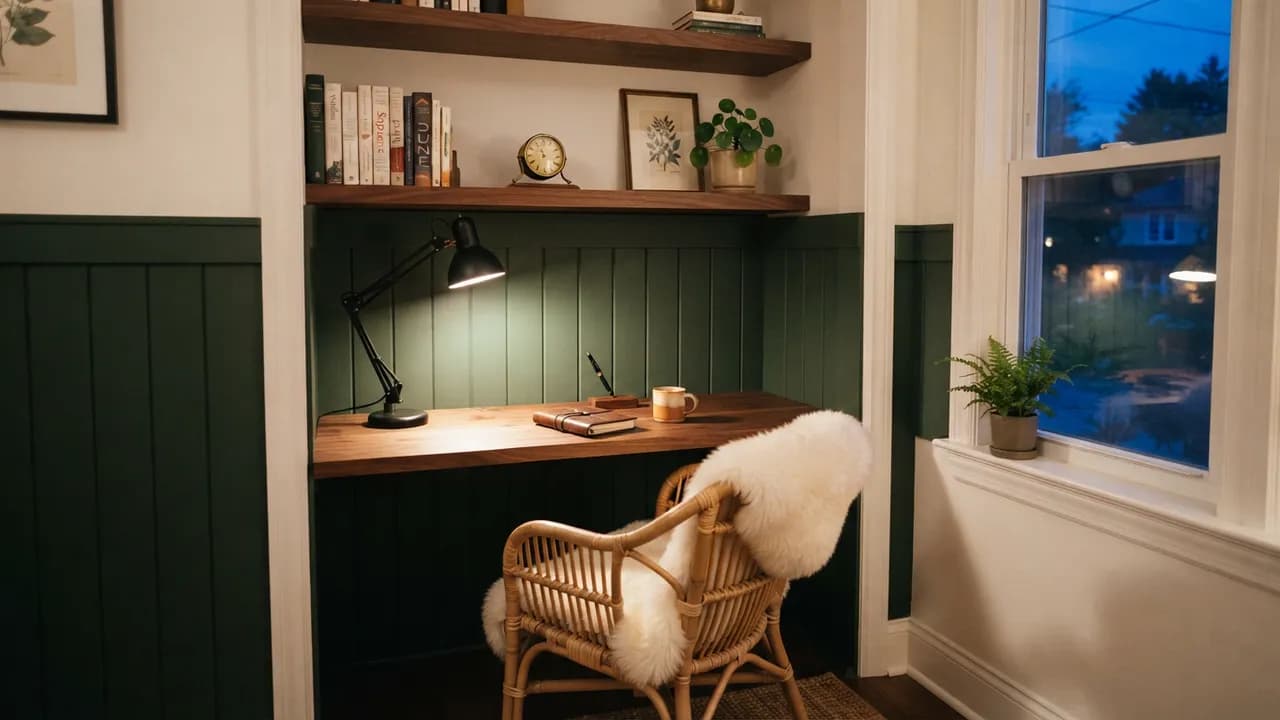
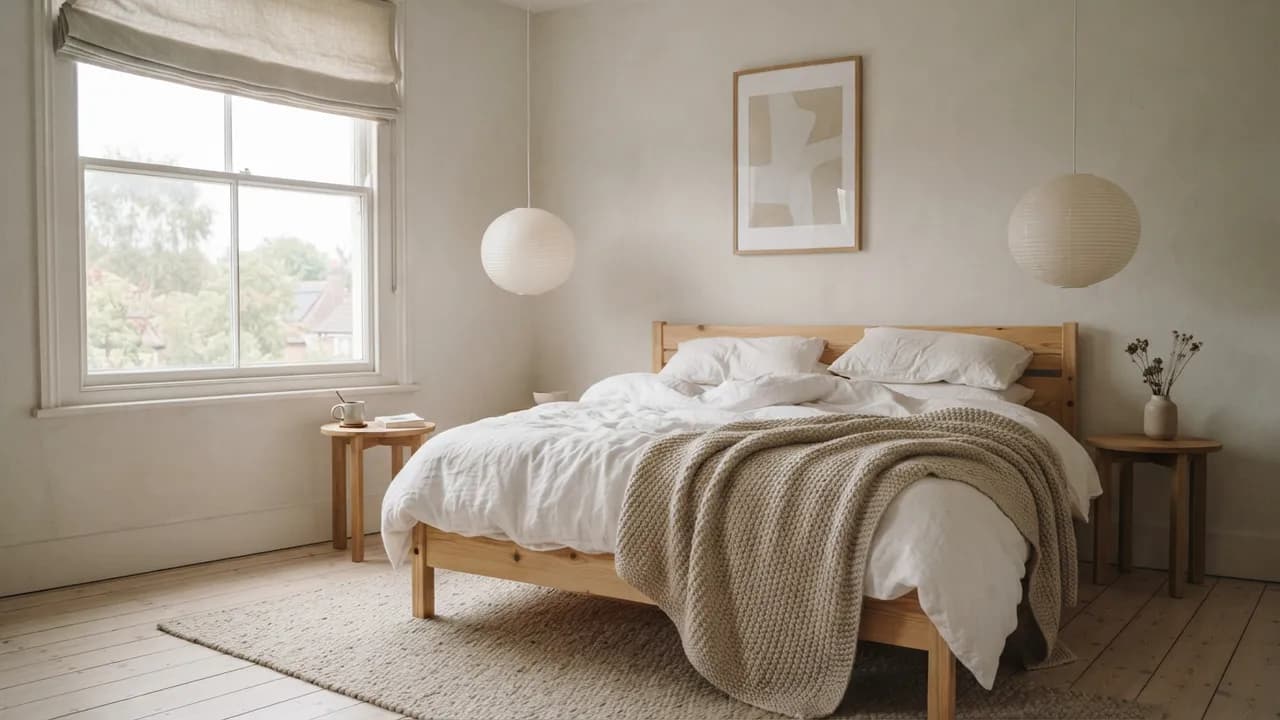
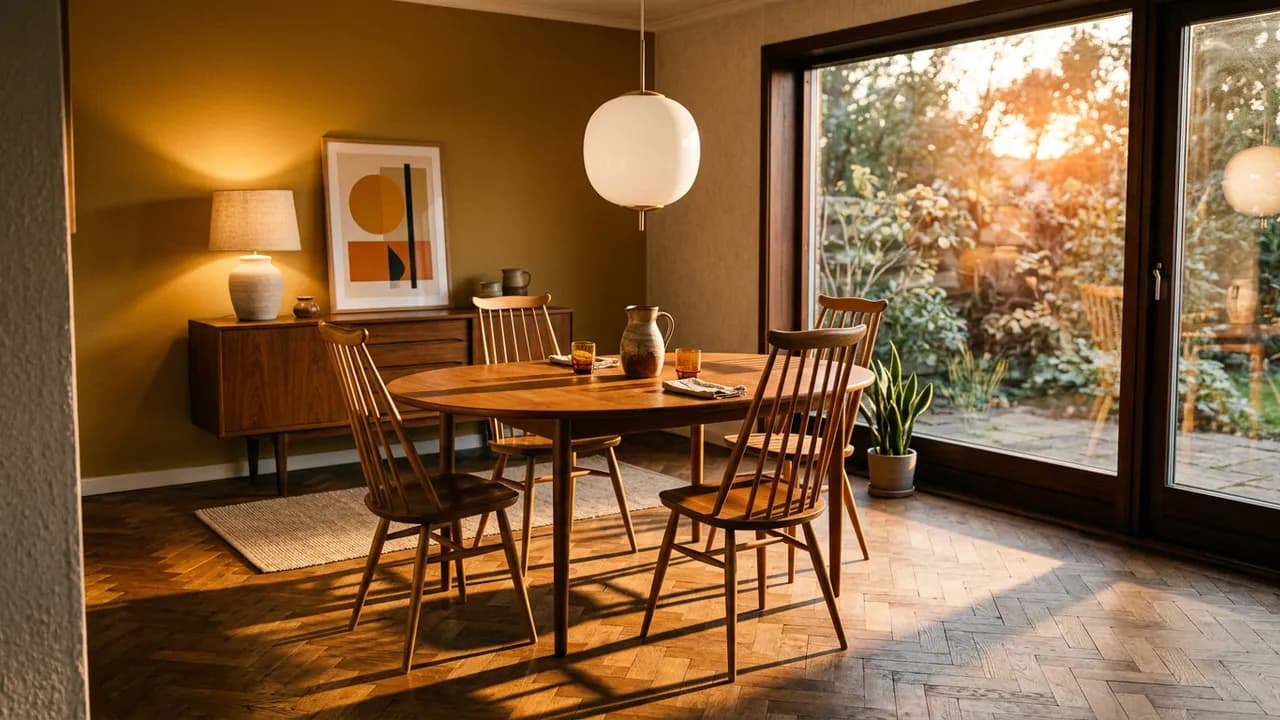
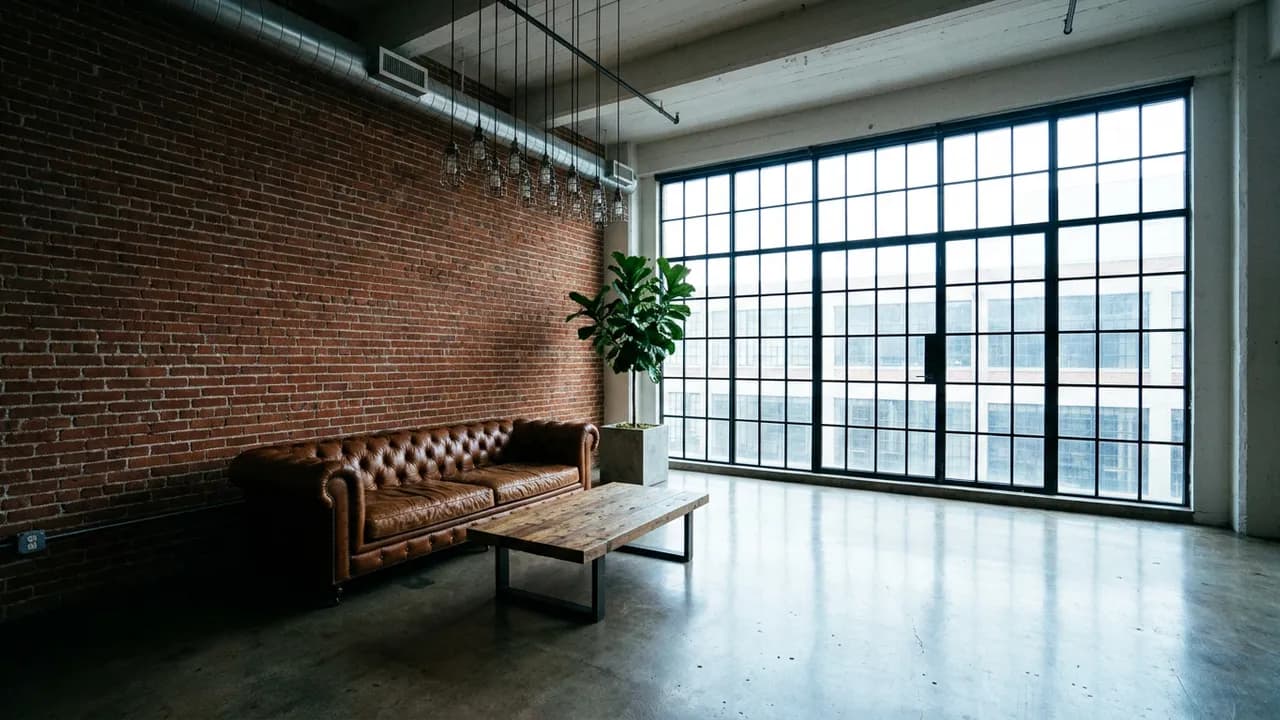
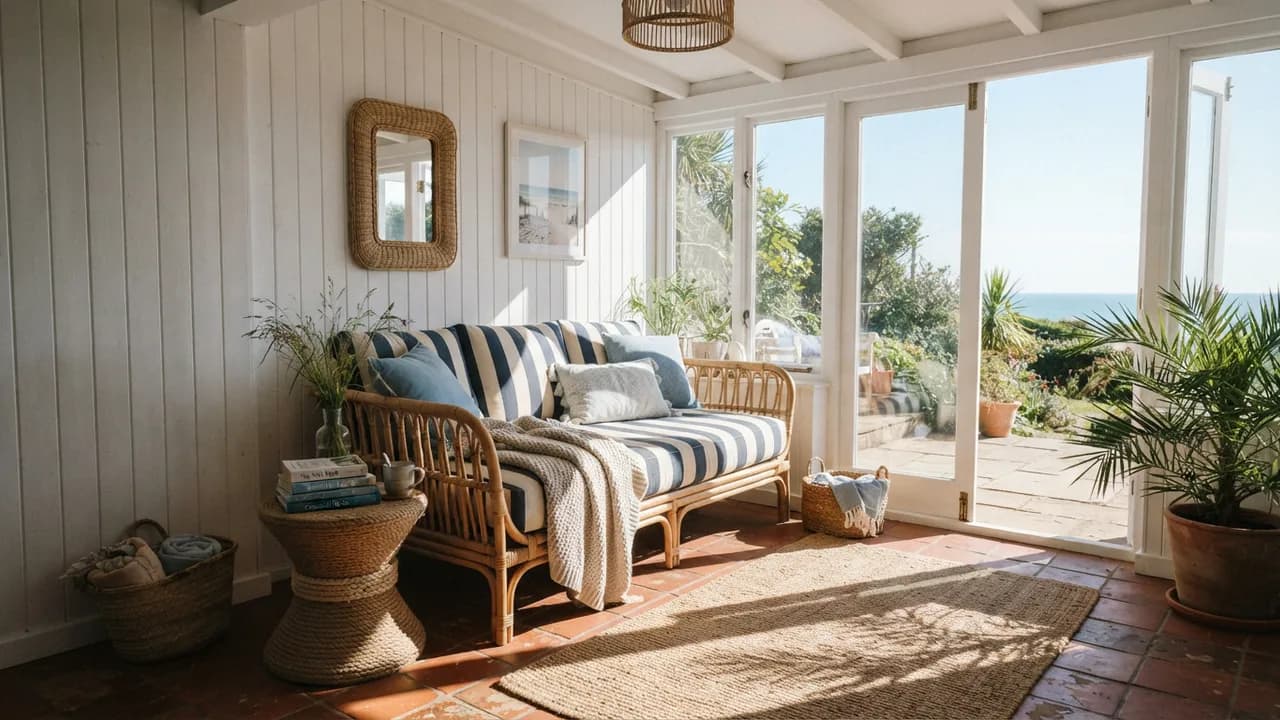
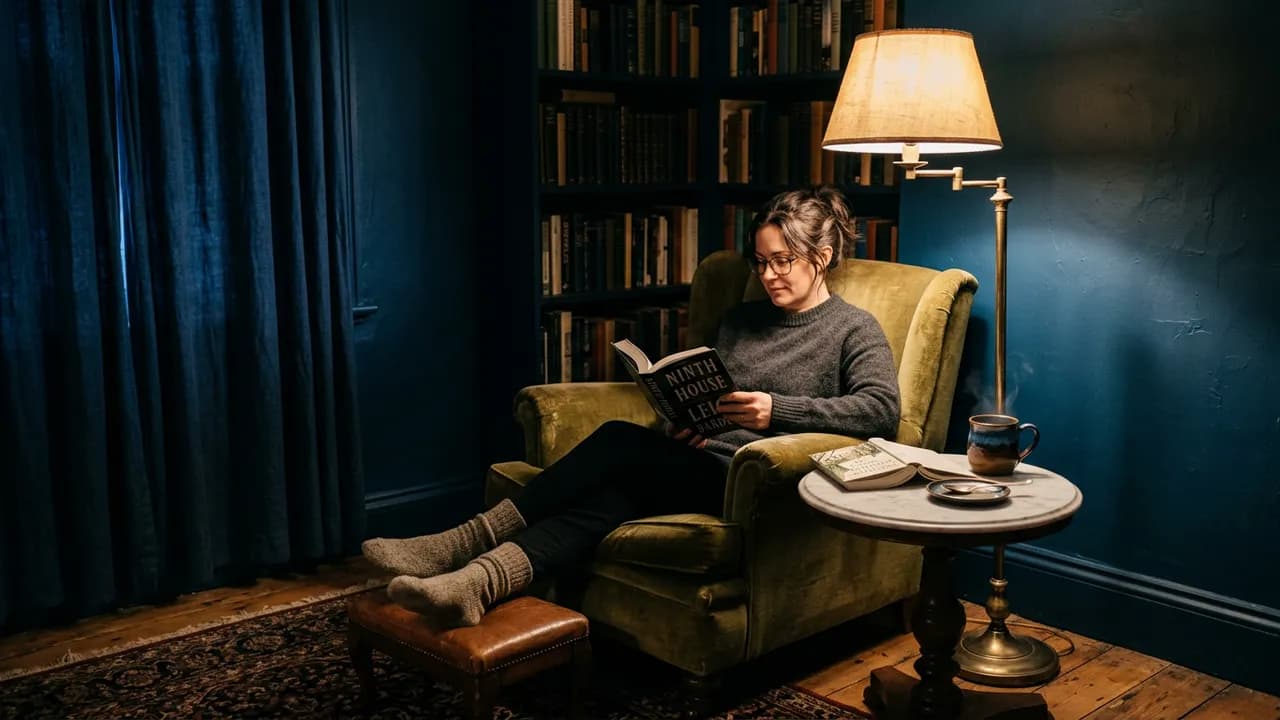
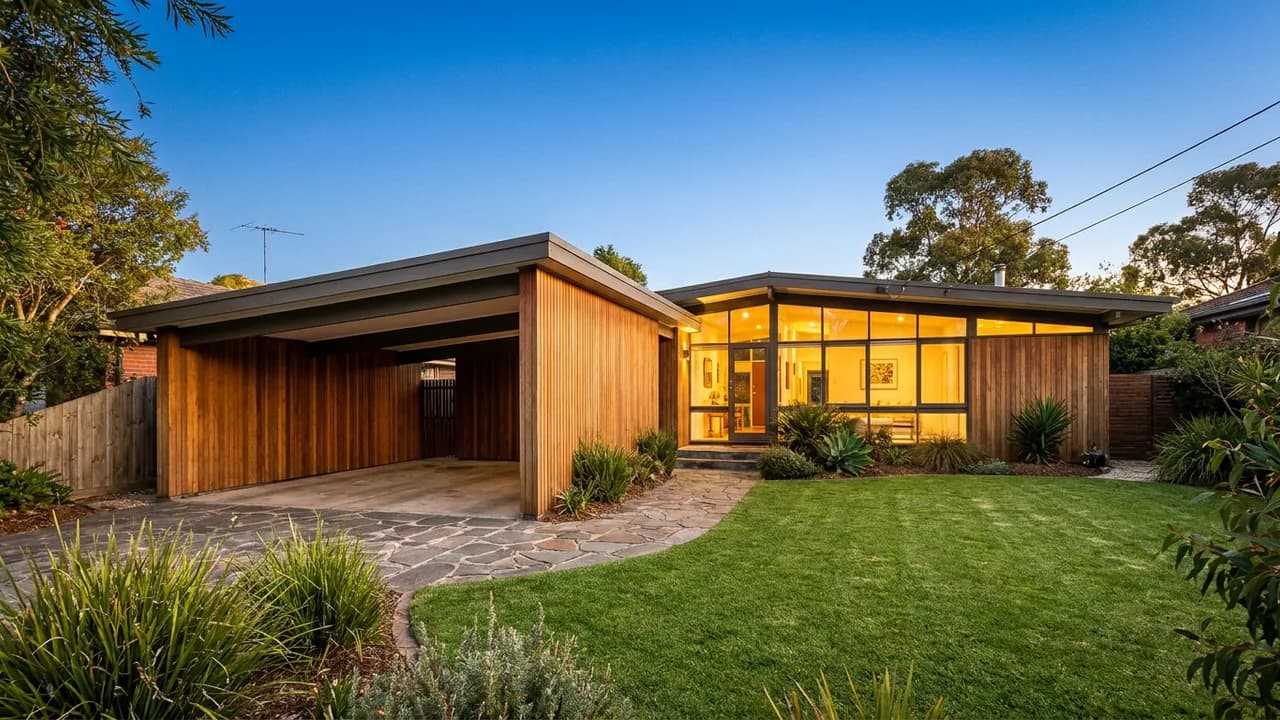
Brief it like a photographer standing in the room, not like a mood board. The order that works: camera position, room type and style, three or four concrete pieces of furniture with materials, the light source and time of day, then a note on palette. “Wide-angle interior photograph of a Japandi living room — low oak sofa in oatmeal linen, black steel floor lamp, woven jute rug — late afternoon sun through sheer curtains, warm neutral palette.” Naming the materials is what separates a render that looks designed from one that looks like a stock photo: oak, travertine, brushed brass, bouclé, terrazzo all carry a whole visual language with them.
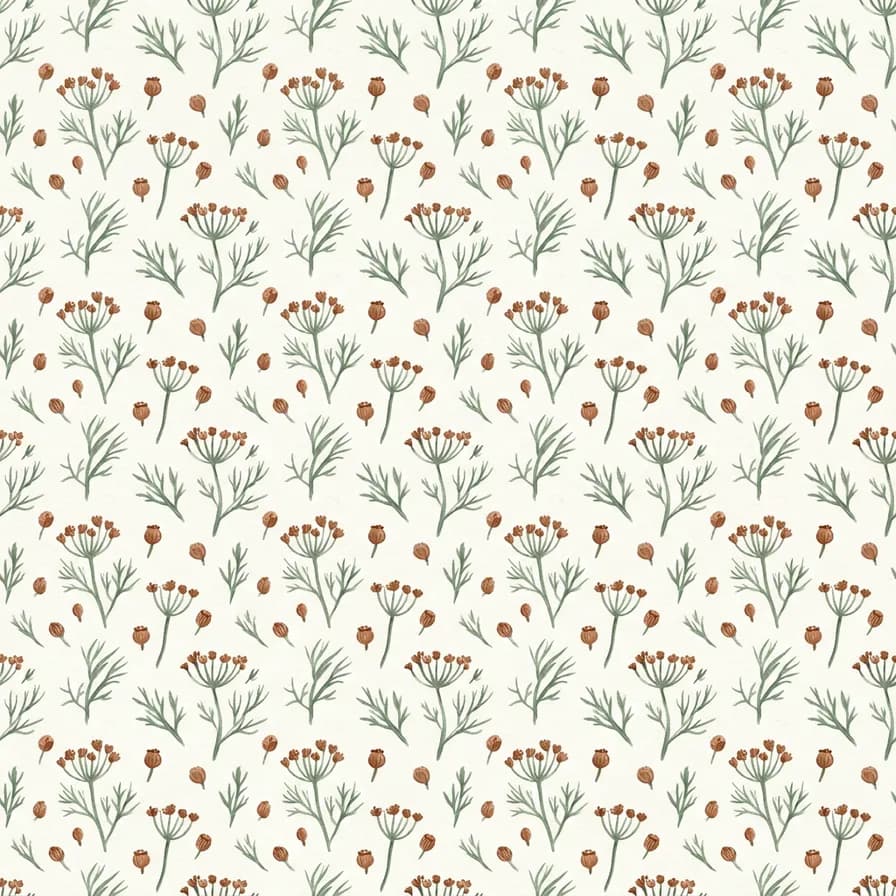
Two settings do the heavy lifting. Light direction sets the mood — “late afternoon sun raking across the floor” gives you warmth and long shadows, “overcast daylight from a north window” gives you the flat even light that catalogues use. And lens choice controls how the space reads: “wide-angle 24mm, camera at eye height” shows the whole room, “35mm detail shot” isolates a corner. Every render below is a first, unedited output generated on BananaBanana; drafting a full room in three styles costs about ten cents on Lite.