Prompt library · Car photography

Car photography prompts that look shot on location

Ten tested prompts covering the shots an automotive photographer actually gets booked for — rolling shots, studio cyclorama, wet night city, wheel macro, desert dusk. Every card shows the unedited output, the model and the price.

01How to prompt

How do you write a car photography prompt?

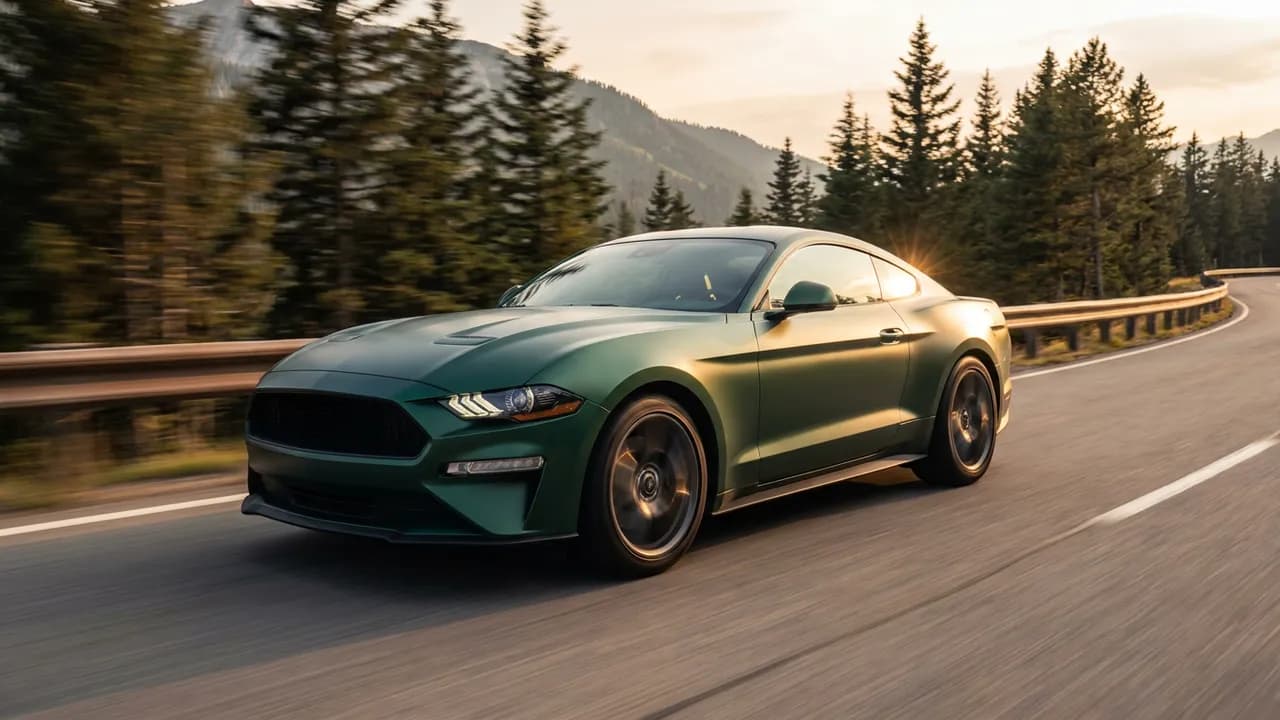
Brief the shoot, not the car. The order that works is: shot type and camera technique, the car described by body style and finish, the location, the light, then the grade. “Panning rolling shot of a matte deep-green fastback coupé, photographed from a chase car on an alpine pass at golden hour, wheels motion-blurred, 70-200mm at 1/60s, warm cinematic grade.” Notice that the car gets three words — body style, colour, finish — and everything else describes the photograph. That ratio is what separates an automotive image from a picture of a car.

Two clauses do most of the work. The camera technique gives you the genre: “panning at 1/60s with motion-blurred wheels” is a rolling shot, “long soft strip lights overhead drawing two unbroken highlights down the shoulder line” is a studio shot, “low angle from the wet asphalt” is a night hero. And the finish decides how light behaves — matte paint swallows reflections, gloss black turns into a mirror of whatever you put around it, so on a night street you have to name the neon that is doing the reflecting. Every image on this page is the unedited first output of the prompt beside it, generated on BananaBanana.
Can you use an AI car photo in an advert or a listing?

Not for a specific vehicle, and this is the honest limit of the whole page. What comes back is a plausible lookalike assembled from millions of car photographs: the nose reads like one manufacturer, the roofline like another, the proportions match nothing that was ever built, and any badge is invented metal. Put that in a classified ad for the car on your driveway and you are misrepresenting the goods — several marketplaces now explicitly ban generated or AI-altered vehicle images in listings, and consumer-protection rules would cover it even where they don't. The same applies to a dealer's stock page: photograph the actual car.

Where these images are genuinely useful is everything that isn't representing a particular vehicle for sale — brand and lifestyle imagery for a detailing, tyre-fitting or car-hire business, blog and social content, mood boards, concept work for a design study, backgrounds and key art. Two more habits worth keeping: ask for a blank grille and no badges, as every prompt below does, because generated emblems drift towards real trademarks and you do not own those; and if you need your own car in a better setting, upload photos of it and edit the scene around it rather than generating a lookalike from text.

02The prompts

10 prompts, real results

Every image below is the unedited output of the prompt on its card — no cherry-picking across dozens of attempts, no retouching. The model badge shows exactly what generated it and what it cost.

AI-generated car photography example — Rolling shot on a mountain pass, made with Nano Banana Pro on BananaBanana

Rolling shot on a mountain pass

Nano Banana Pro$0.11 / image

Panning rolling shot of a matte deep-green fastback coupé with unmarked bodywork and no badges or lettering, photographed from a chase car on an alpine mountain pass at golden hour. The wheels are motion-blurred, the guardrail and pine trees streak past, low sun flares across the rear quarter panel. Shot on a 70-200mm lens at 1/60s, slight downward angle, warm cinematic colour grade, automotive advertising photography.

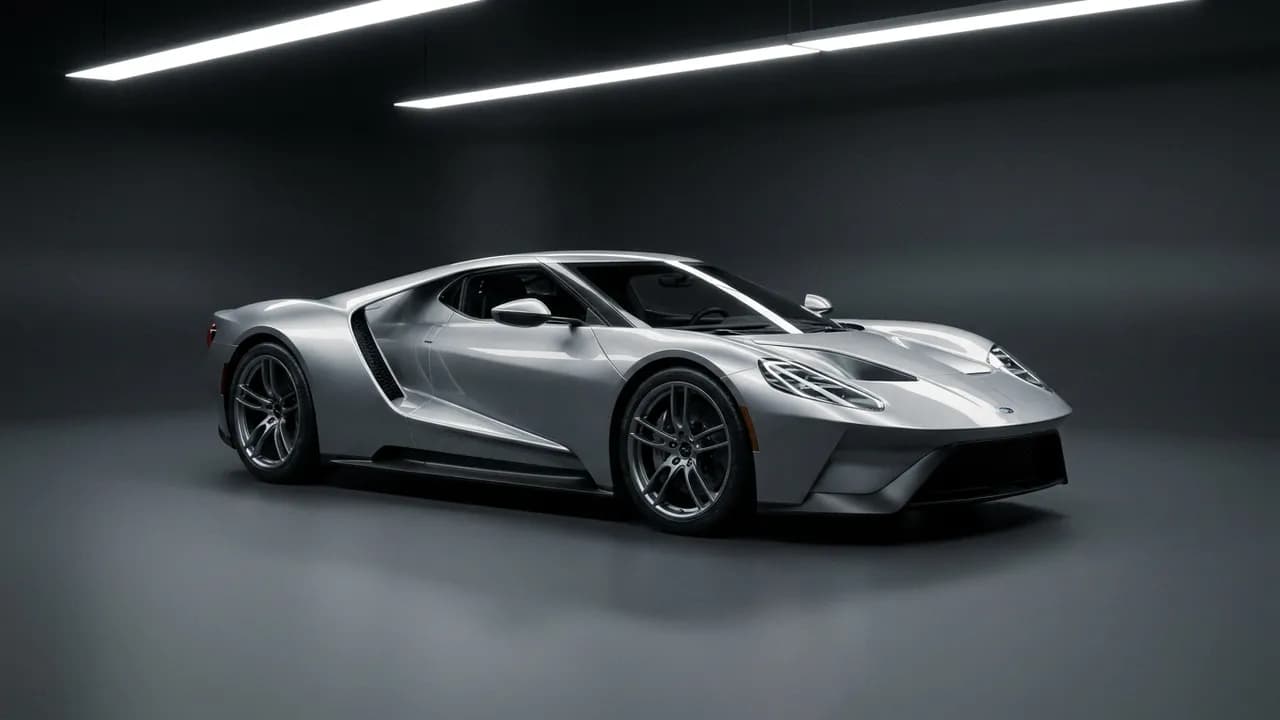
AI-generated car photography example — Studio hero on a cyclorama, made with Nano Banana Pro on BananaBanana

Studio hero on a cyclorama

Nano Banana Pro$0.11 / image

Studio automotive photograph of a silver mid-engine sports car with unmarked bodywork and no badges or lettering, parked at a three-quarter front angle on a seamless dark grey cyclorama. Long soft strip lights overhead draw two clean unbroken highlights down the shoulder line, a subtle rim light separates the roof from the background, the floor reflects the car faintly. 50mm lens at eye height, high-end launch photography, no text anywhere in the frame.

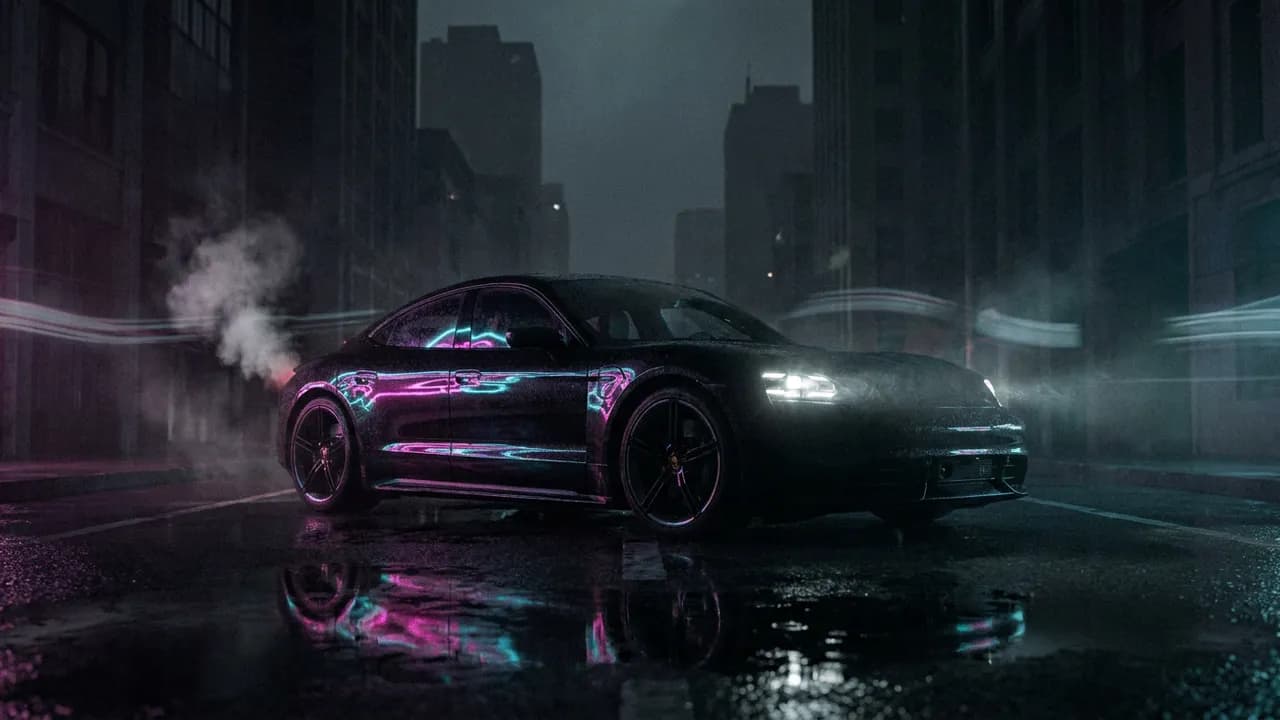
AI-generated car photography example — Wet city night, made with Nano Banana Pro on BananaBanana

Wet city night

Nano Banana Pro$0.11 / image

Night automotive photograph of a black four-door saloon standing on wet asphalt in an empty city street after rain. Magenta and cyan signage glow reflects in the paint and in the puddles, headlights on, steam rising from a vent behind the car, tall buildings falling into darkness. 35mm lens at low height, long exposure look, moody cinematic colour grade. The car is an unbranded design study: plain smooth grille with no emblem, badge, ornament or lettering, and the background signage is reduced to abstract blurred glow with no readable text.

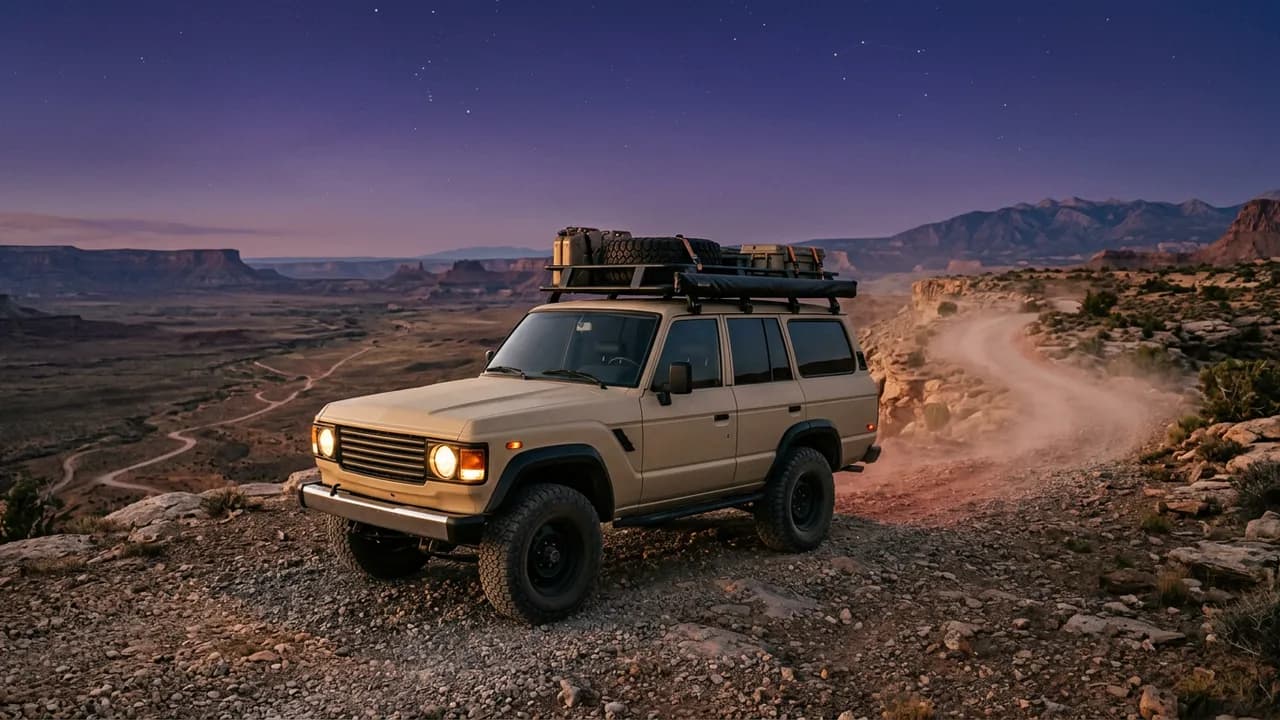
AI-generated car photography example — Overland wagon at dusk, made with Nano Banana 2 on BananaBanana

Overland wagon at dusk

Nano Banana 2$0.06 / image

Automotive photograph of a sand-beige boxy off-road wagon parked on a gravel plateau above a desert valley at dusk, roof rack loaded, chunky all-terrain tyres with completely blank sidewalls. Trailing dust still hanging in the air behind it, warm side light from the last sun, deep violet sky with the first stars. 24mm lens from slightly below, wide landscape framing, adventure campaign photography. The vehicle is an unbranded design study: blank grille, no emblems, badges, model names or lettering anywhere in the frame.

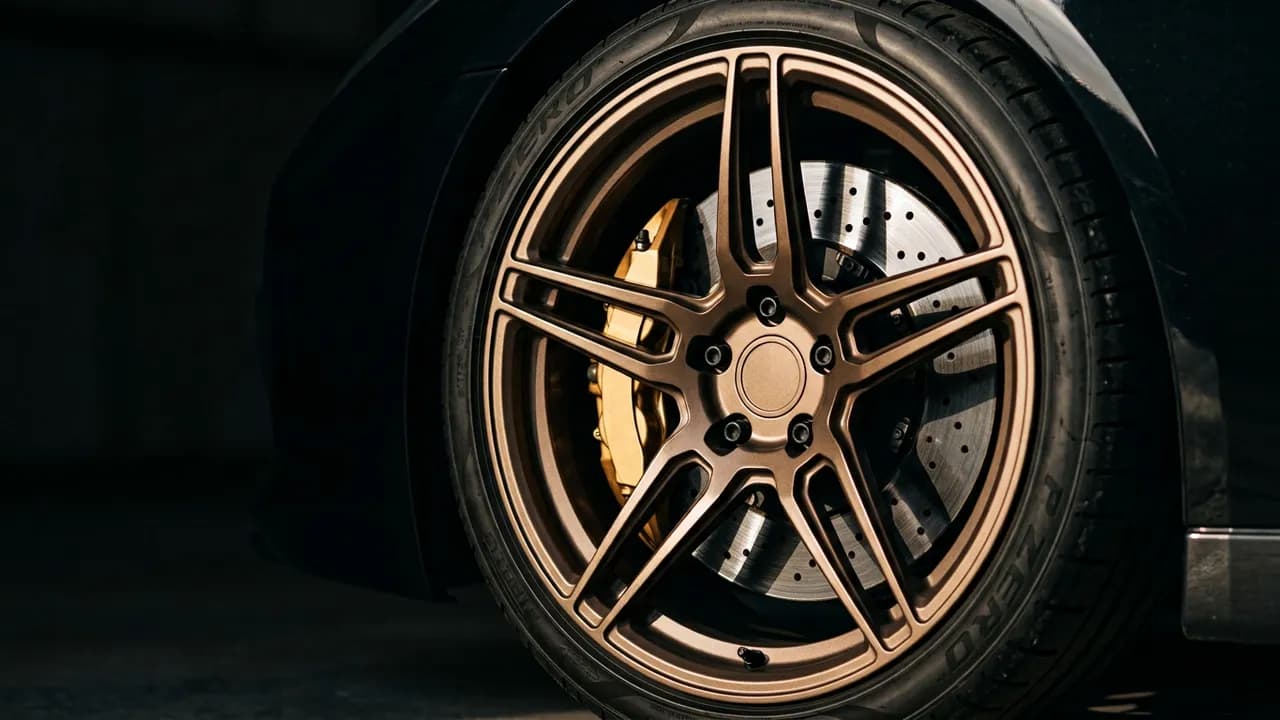
AI-generated car photography example — Wheel and caliper macro, made with Nano Banana 2 on BananaBanana

Wheel and caliper macro

Nano Banana 2$0.06 / image

Macro automotive detail photograph of a five-spoke forged alloy wheel with a bronze finish, gold brake caliper and drilled disc behind it, on a dark car with unmarked bodywork. Hard raking light from the right picks out the machined edges and the tyre sidewall texture, the background falls to soft black. 100mm macro lens at f/4, shallow depth of field, crisp specular highlights, no branding or lettering on the tyre or caliper.

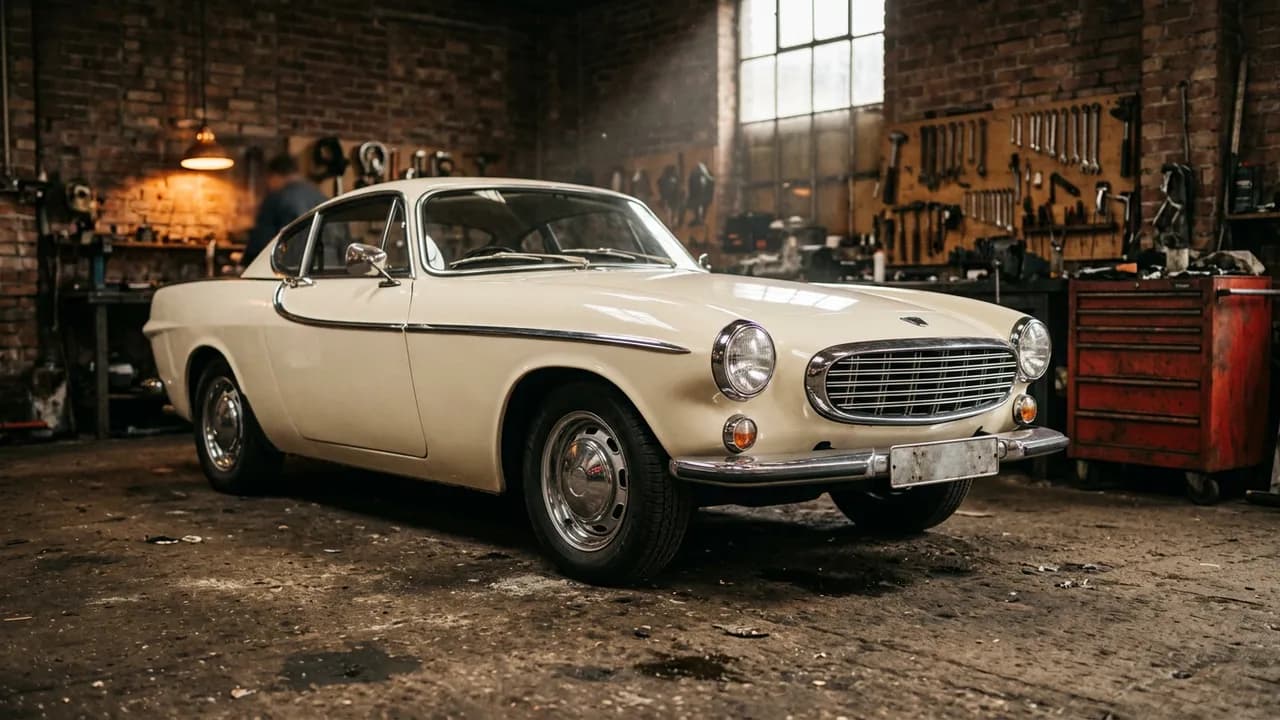
AI-generated car photography example — Classic coupé in a workshop, made with Nano Banana 2 on BananaBanana

Classic coupé in a workshop

Nano Banana 2$0.06 / image

Automotive photograph of a cream-coloured 1960s-style two-door classic coupé with chrome bumpers and unmarked bodywork, standing on the oil-stained concrete floor of an old brick workshop. Dusty light falls through a high window and cuts across the bonnet, tool boards and a rolling cabinet blurred in the background, one work lamp glowing warm. 35mm lens at wheel height, nostalgic muted colour grade, no logos, no readable text.

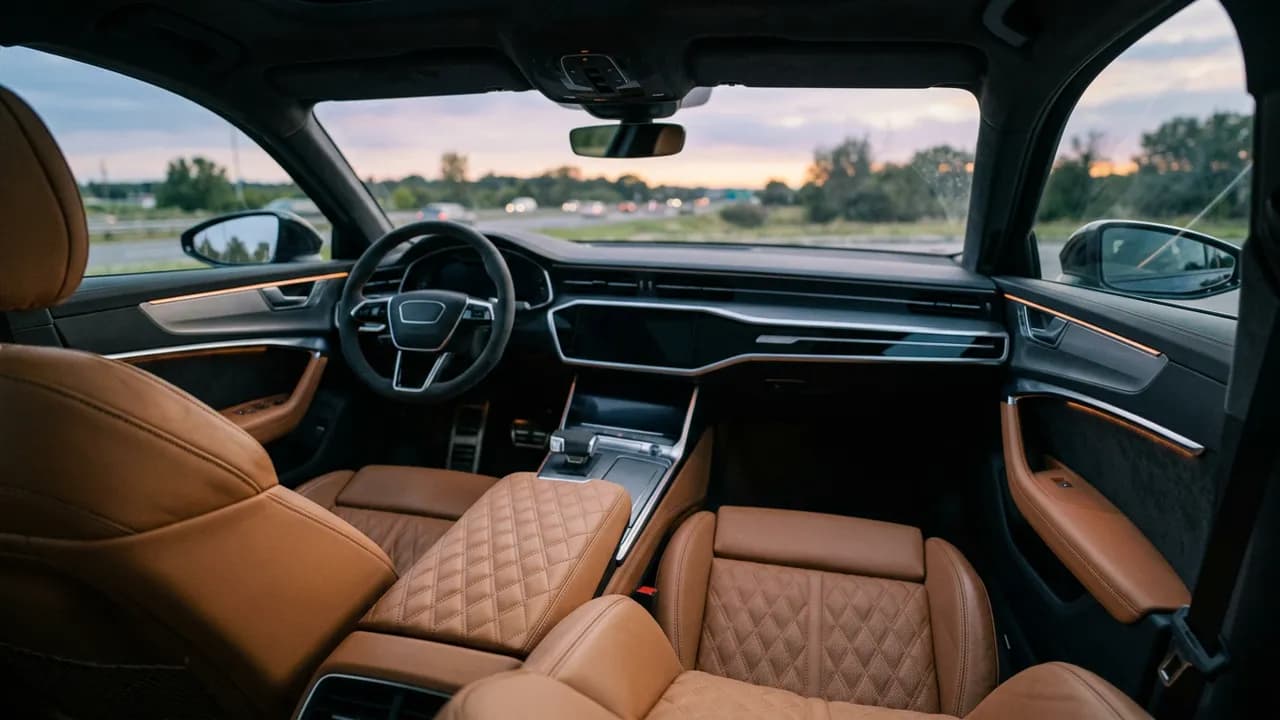
AI-generated car photography example — Interior from the back seat, made with Nano Banana 2 on BananaBanana

Interior from the back seat

Nano Banana 2$0.06 / image

Interior automotive photograph shot from the rear seat of a modern car, looking forward across tan quilted leather seats to a minimalist dashboard in brushed aluminium and dark suede. Evening light comes through the windscreen, ambient strip lighting glows along the door cards, the screens are switched off and completely blank. 24mm lens, shallow focus on the stitching in the foreground, premium calm mood, no text or lettering anywhere.

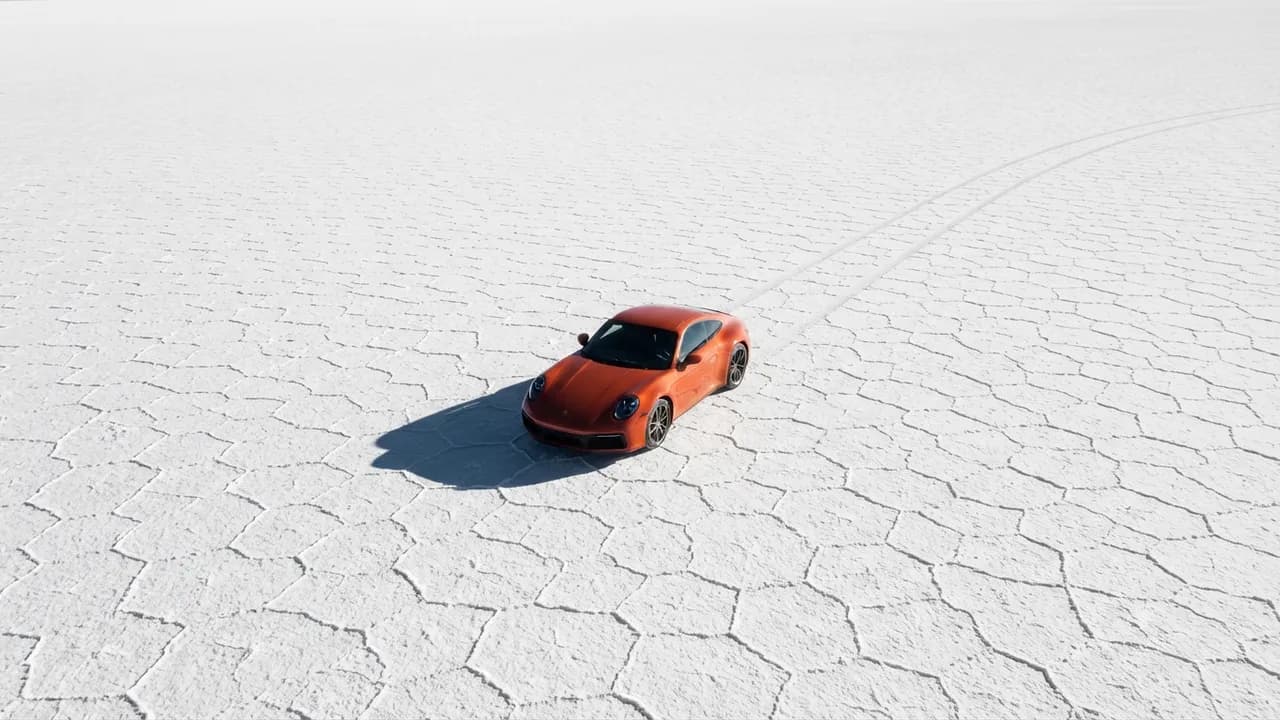
AI-generated car photography example — Aerial on the salt flats, made with Nano Banana 2 Lite on BananaBanana

Aerial on the salt flats

Nano Banana 2 Lite$0.03 / image

Aerial drone photograph looking straight down at a single burnt-orange coupé with unmarked bodywork, alone on a vast cracked white salt flat. The car sits slightly off centre, its long shadow stretching to the corner of the frame, faint tyre tracks curving in from the edge. Harsh midday sun, extreme negative space, minimal graphic composition, high contrast, no text or markings on the ground.

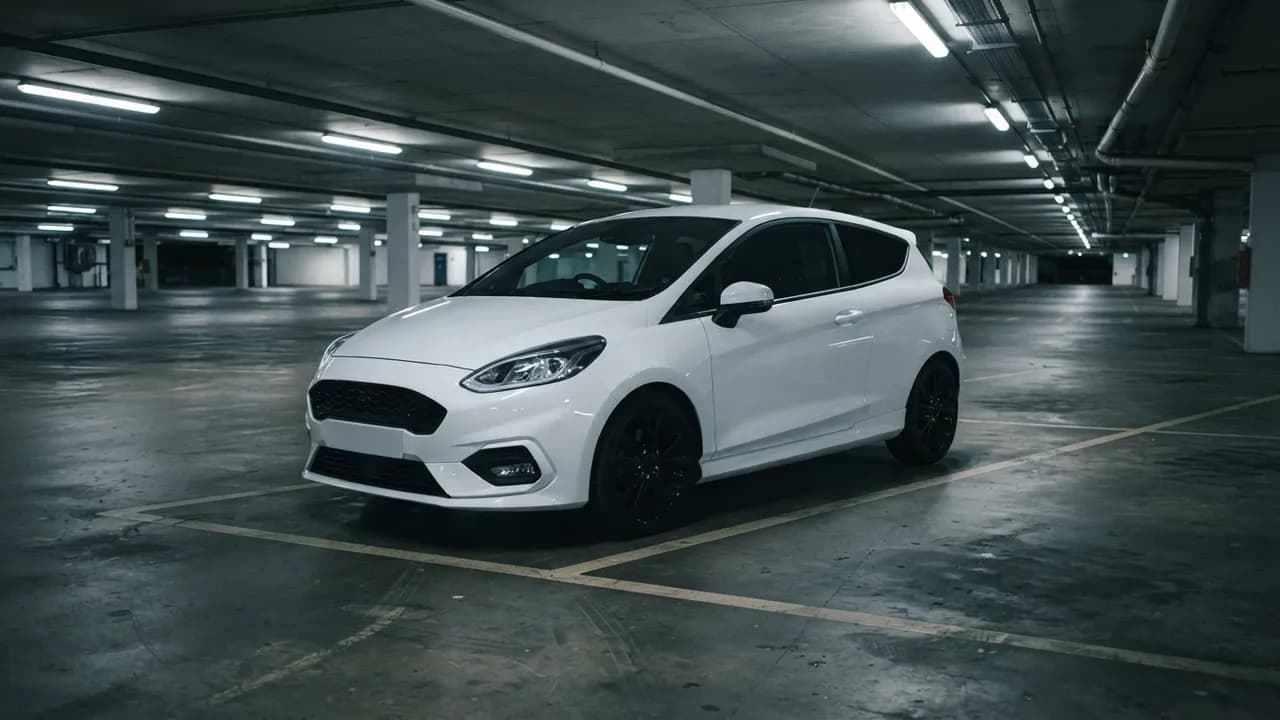
AI-generated car photography example — Underground car park, made with Nano Banana 2 Lite on BananaBanana

Underground car park

Nano Banana 2 Lite$0.03 / image

Automotive photograph of a white compact hot hatch parked at an angle in an empty underground car park. Rows of ceiling strip lights recede into the distance, cold fluorescent light pools on the smooth concrete, a painted yellow line runs past the front wheel. 28mm lens from a low corner angle, clean industrial geometry, slightly desaturated cool grade. The car is an unbranded design study: plain smooth grille, no emblems, badges, number plate or lettering anywhere in the frame.

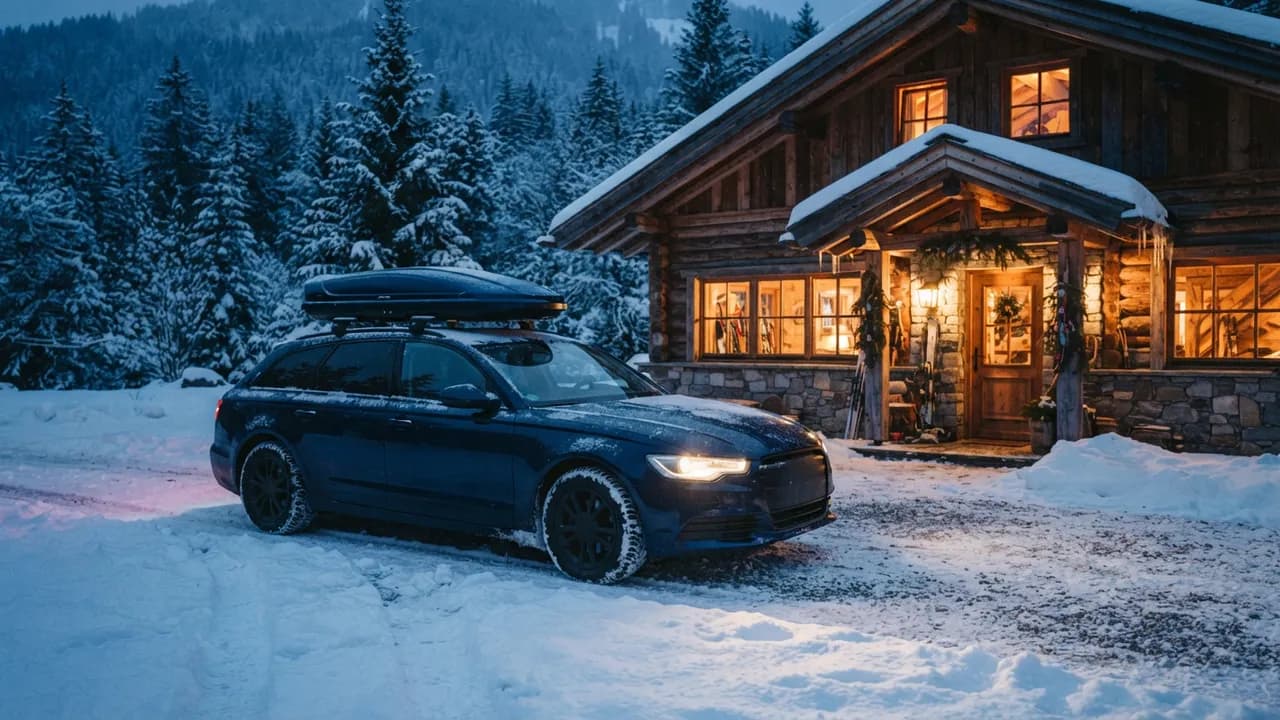
AI-generated car photography example — Winter lodge at blue hour, made with Nano Banana 2 Lite on BananaBanana

Winter lodge at blue hour

Nano Banana 2 Lite$0.03 / image

Automotive lifestyle photograph of a dark blue estate car with a roof box parked in fresh snow outside a timber mountain lodge at blue hour. Warm light spills from the lodge windows onto the snow, headlights on, faint tyre tracks leading up to it, snow-laden pines behind. 35mm lens at eye height, cold blue and warm amber contrast, cosy winter mood. The car is an unbranded design study: plain smooth grille, no emblems, badges or lettering anywhere in the frame.

03Technique

What makes these work

Ask for a blank grille in writing

Left to itself the model puts an emblem on the nose, and it lands somewhere between two real trademarks. “Unbranded design study: plain smooth grille, no emblems, badges or lettering” costs you nothing and keeps the image usable. The same clause on tyres stops invented sidewall branding.

Name the camera technique, not the mood

“Panning at 1/60s with motion-blurred wheels”, “long strip lights drawing two unbroken highlights”, “low angle from the wet asphalt” each produce a different genre of car photograph. “Epic” and “cinematic” on their own produce a parked car.

Match the finish to the light

Matte paint absorbs; gloss black mirrors everything around it. On a night street, say what the paint is reflecting — “magenta and cyan signage glow reflects in the paint and the puddles” — or you get a flat black shape with no form.

Use your own car as the reference

For anything that has to be a specific vehicle, upload photos of it and describe the new setting instead of generating from text. The model relights and rebuilds the scene while keeping your car's actual shape and colour.

04More prompts

Keep browsing

05Learn more

Guides from the blog

06FAQ

Car photography prompts, answered

Can I use these images to sell a real car?

No. The car in the image doesn't exist — it's a composite lookalike — so using it to represent a vehicle you're selling is misrepresentation, and several marketplaces now ban generated vehicle photos in listings outright. Photograph the actual car for the listing, and keep generated shots for brand, social and concept work.

Why do the badges and number plates come out wrong?

Because the model has learned that a nose usually has an emblem, not what any particular emblem is, so it invents metal that drifts towards real trademarks — and plates come back as gibberish. Both are a reason to ask for them to be absent: every prompt here says “no emblems, badges or lettering”, which produces a clean unbranded car you can safely publish.

Which model should I use for cars?

Nano Banana Pro for anything where paint, glass and reflections carry the shot — the rolling shot, the studio cyclorama and the wet night street above all use it. Nano Banana 2 at $0.06 handles daylight, interiors and detail work. Lite at $0.03 is for blocking out compositions and locations before you commit.

How do I get the same car in several shots?

Generate one hero image you like, then feed it back as a reference for the other setups and describe only the new location and light. Re-prompting from scratch gives you a different car each time — the body style and colour hold, the details don't.

Can I turn one of these into a video?

Yes — a still makes a good first frame for Veo 3.1 or Omni Flash, and a slow parallax or a wheels-turning shot from a static hero is one of the more reliable things video models do. Keep the camera move simple and describe it explicitly.

Copy a prompt, make it yours

Every new account starts with a free $0.20 balance — enough to test six image prompts before paying anything. No subscription, no credit card, crypto top-ups from $1.